Maintenance Parts Storage That Protects Uptime
Treat this one differently. A parts crib is not storage overhead. It is downtime insurance.
Parts Location Drives Repair Time
When a machine goes down, the clock does not start at the repair. It starts at the search. Parts availability is the biggest single factor in how long a stopped asset stays stopped. The line waits through the hunt, the order, and the freight. Wrench time is the short part.
A part sitting in a locked crib 40 feet from the machine turns a two-day outage into a two-hour one. A part that has to be ordered turns a two-hour fix into a two-day outage.
Emergency buying costs more too. Rush repairs commonly run several times the cost of the same job done on a schedule. Expedited freight and overtime add more.
Run your own number. The rough formula plants use:
Hourly downtime cost = annual revenue ÷ annual production hours
A shop doing $25 million across 4,000 production hours is near $6,250 an hour, and that is a floor. Add scrap, overtime, and late-delivery penalties and the real figure climbs. Compare that to what a container costs once.
What to Stock On Site
- Bearings, belts, seals, and couplings
- Motors, drives, and gearboxes for critical assets
- Sensors, PLC spares, and control components
- Hydraulic and pneumatic parts, hoses, and fittings
- Tooling, dies, fixtures, and molds
- Lubricants, filters, and shop consumables
Shelve it and label it or you have built an expensive pile. See our container modification ideas first. Hopefully in the future we can offer modifications, but we are unable to at the present time.
Warehouse Expansion When There Is Nothing to Lease
You have read that industrial vacancy is rising and space is easy to get. That is true for big-box warehouses. It is not true at your size.
The Small-Bay Squeeze Is Real
The size split matters more than the headline number. As of mid-2026, national industrial vacancy sits near 6.9%. Break it apart and the picture flips:
- Buildings over 500,000 sq ft: about 8.1% vacancy. Plenty of choice.
- Shallow-bay space under 50,000 sq ft: about 4.8%. Tight.
- Space under 10,000 sq ft: closer to 3.5%. Very tight.
Small space also costs more per foot, roughly 31% more than large-format space. And it is not improving. Only a sliver of small-bay inventory is under construction, because developers make their money on big buildings.
So the plant that needs 3,000 more square feet has the hardest search in the market and the weakest negotiating position. That is the buyer a container actually helps.
Trade a Fixed Cost for a Variable One
A lease is a fixed cost you commit to for years, sized to your peak. A container is closer to a variable cost. You add units when volume calls for it and stop when it does not.
Speed matters as much as price. Leasing means a search, a negotiation, a fit-out, and often months of waiting. A container shows up and goes to work.
- Add one unit or ten, then adjust
- No lease term, no landlord, no build-out
- Move units around the yard as your layout changes
- Sell them if you consolidate
Which Container Size Fits Your Plant
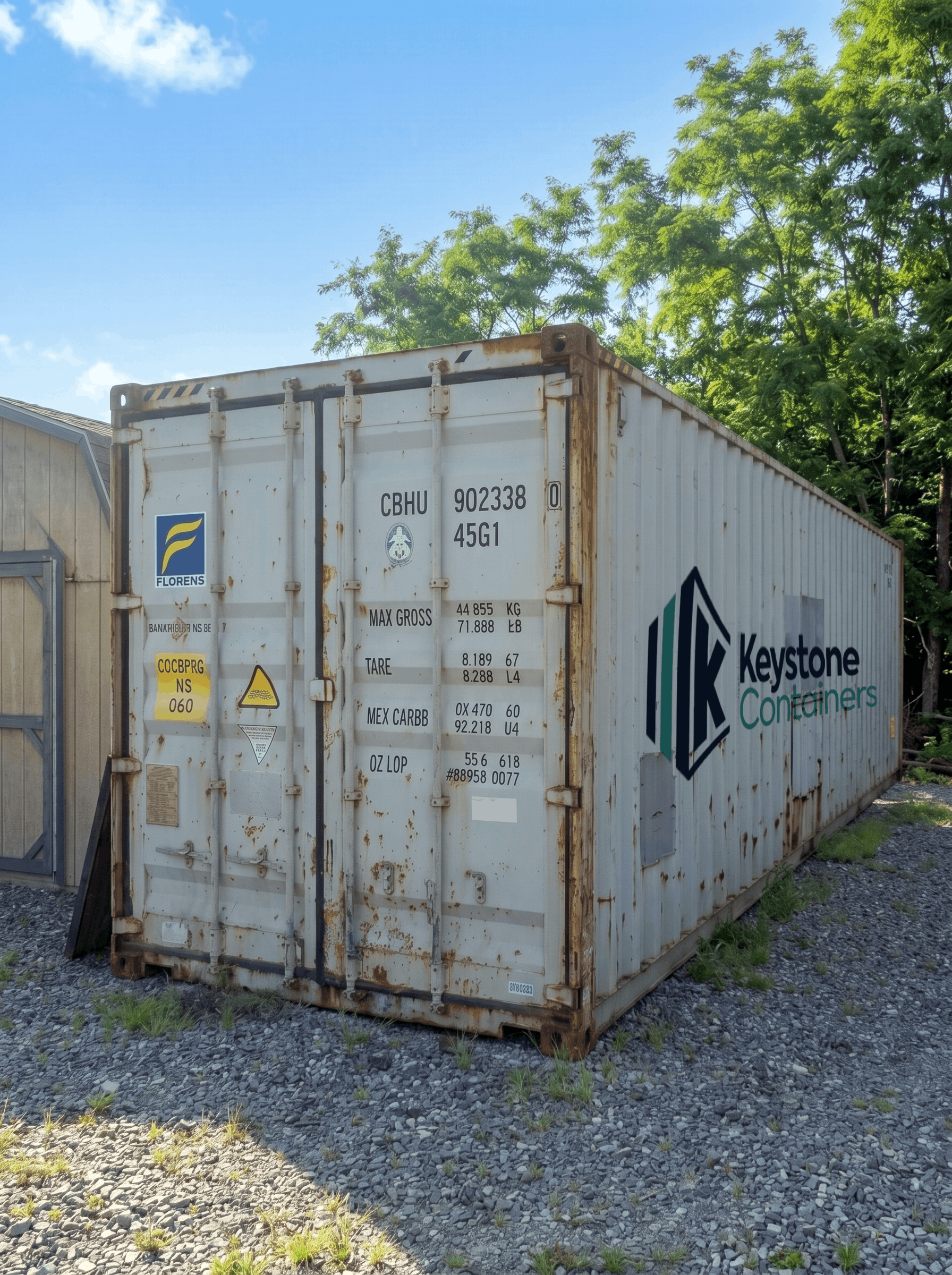
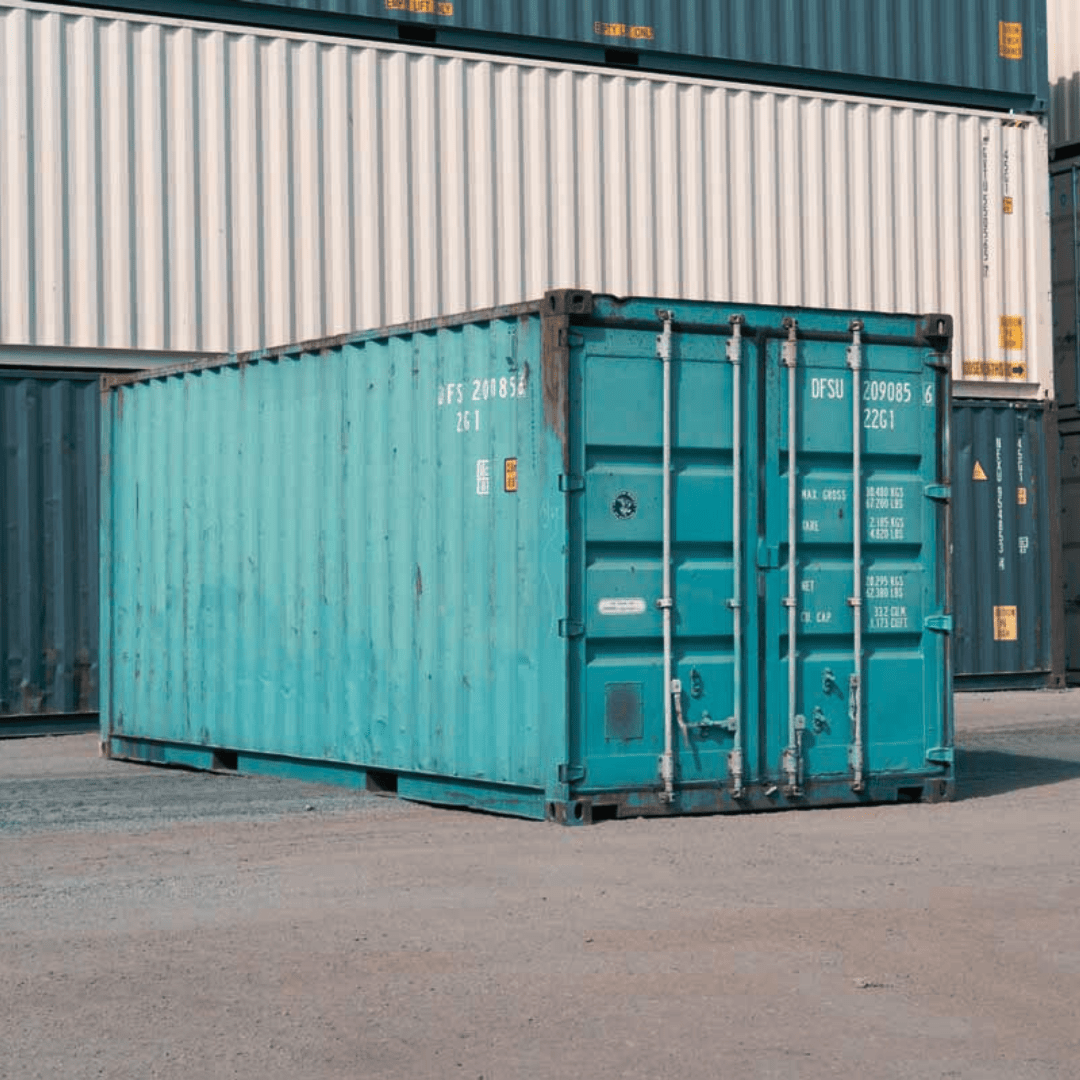
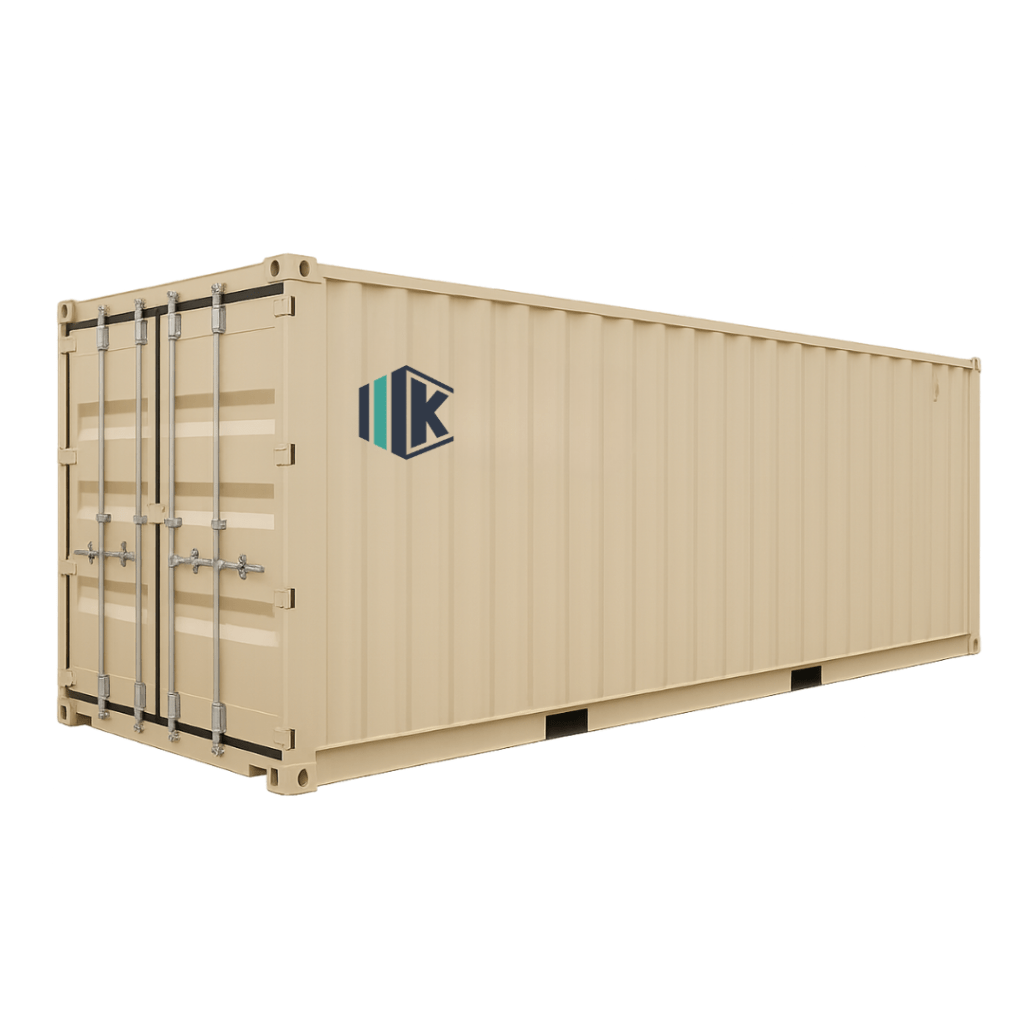
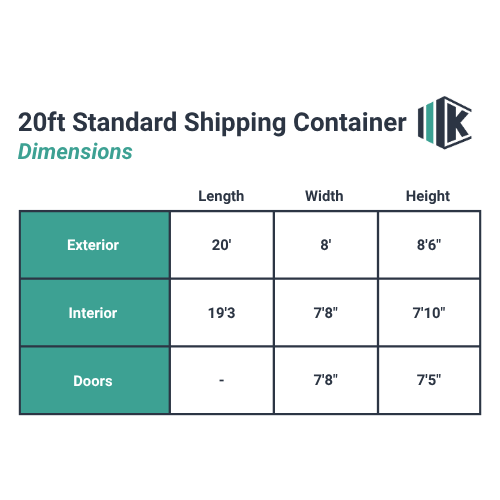
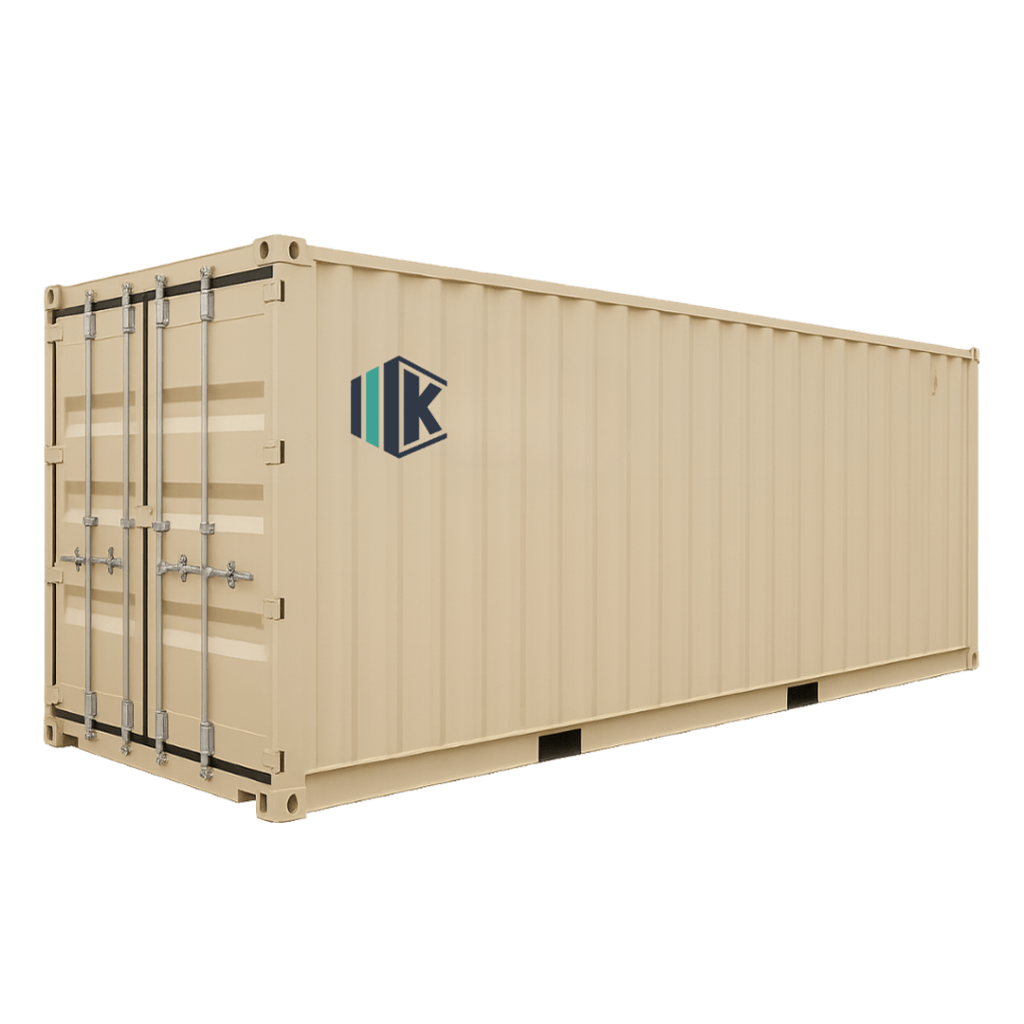
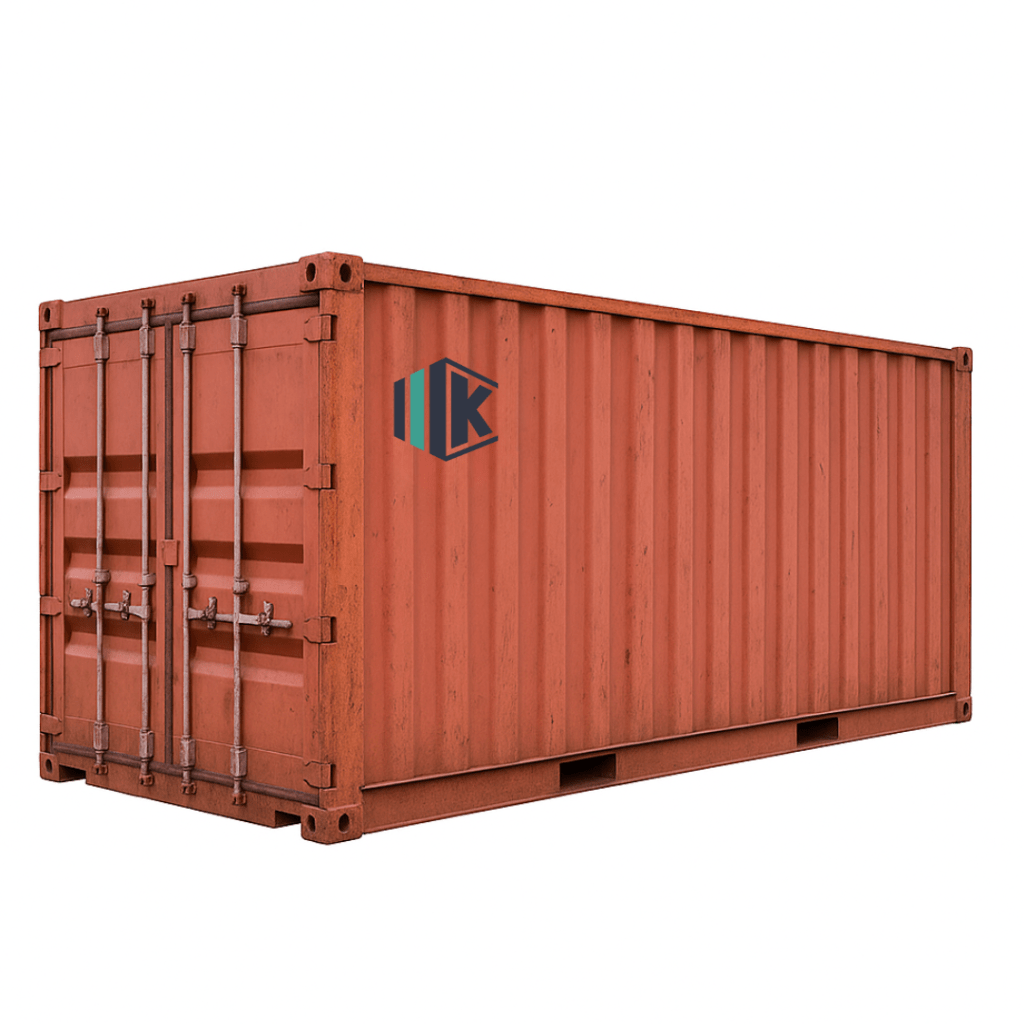
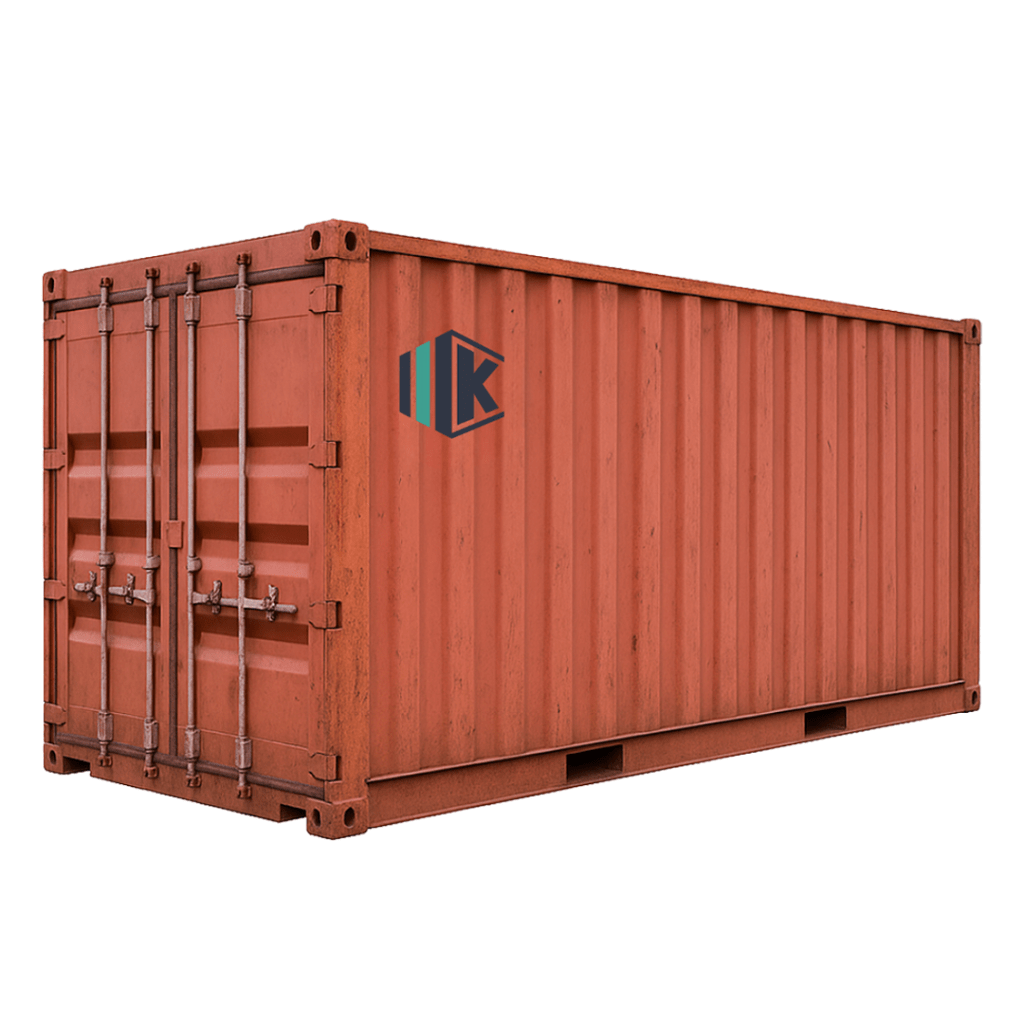
- 20ft standard (about 160 sq ft): a parts crib, a tool room, or one department’s overflow. See the 20ft used standard.
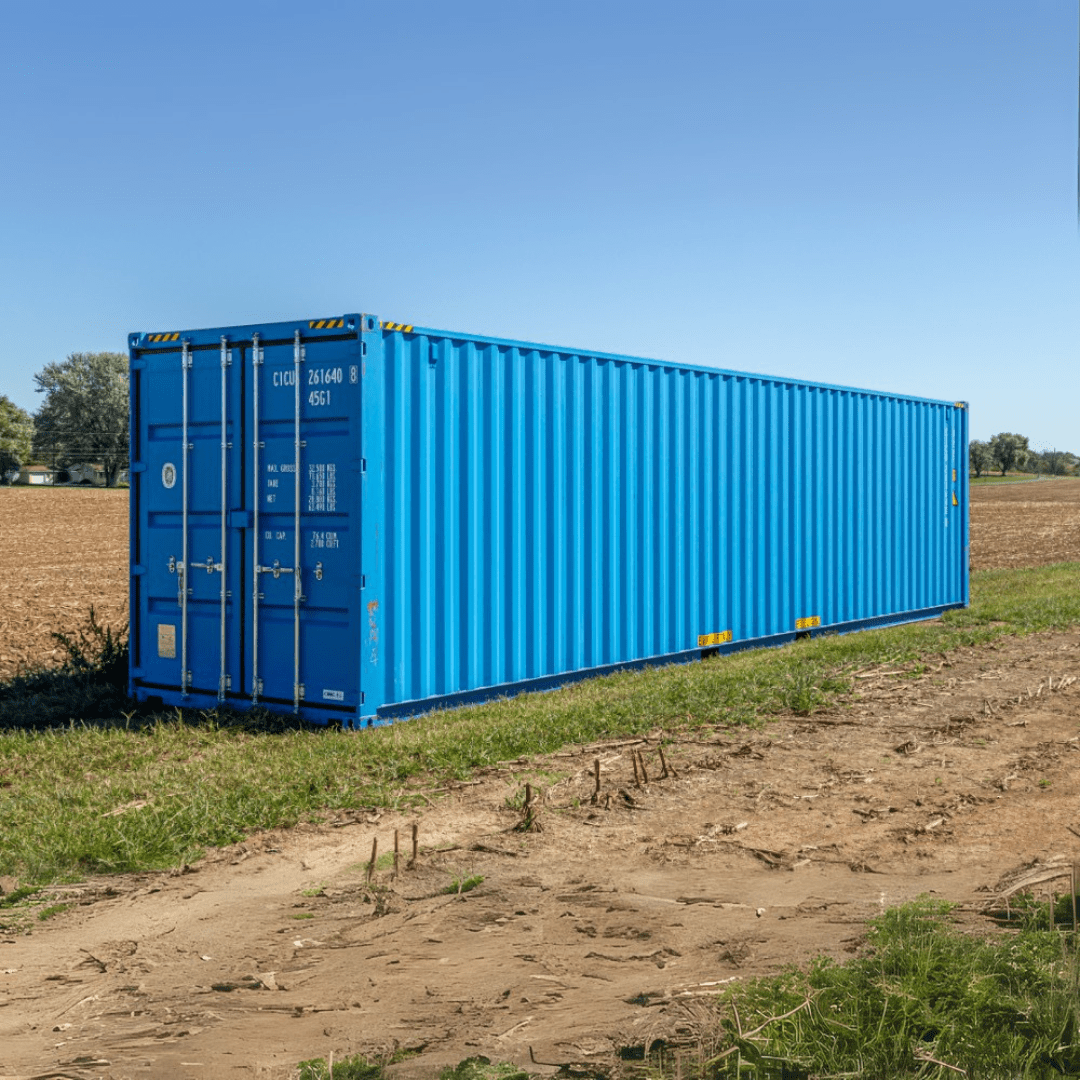
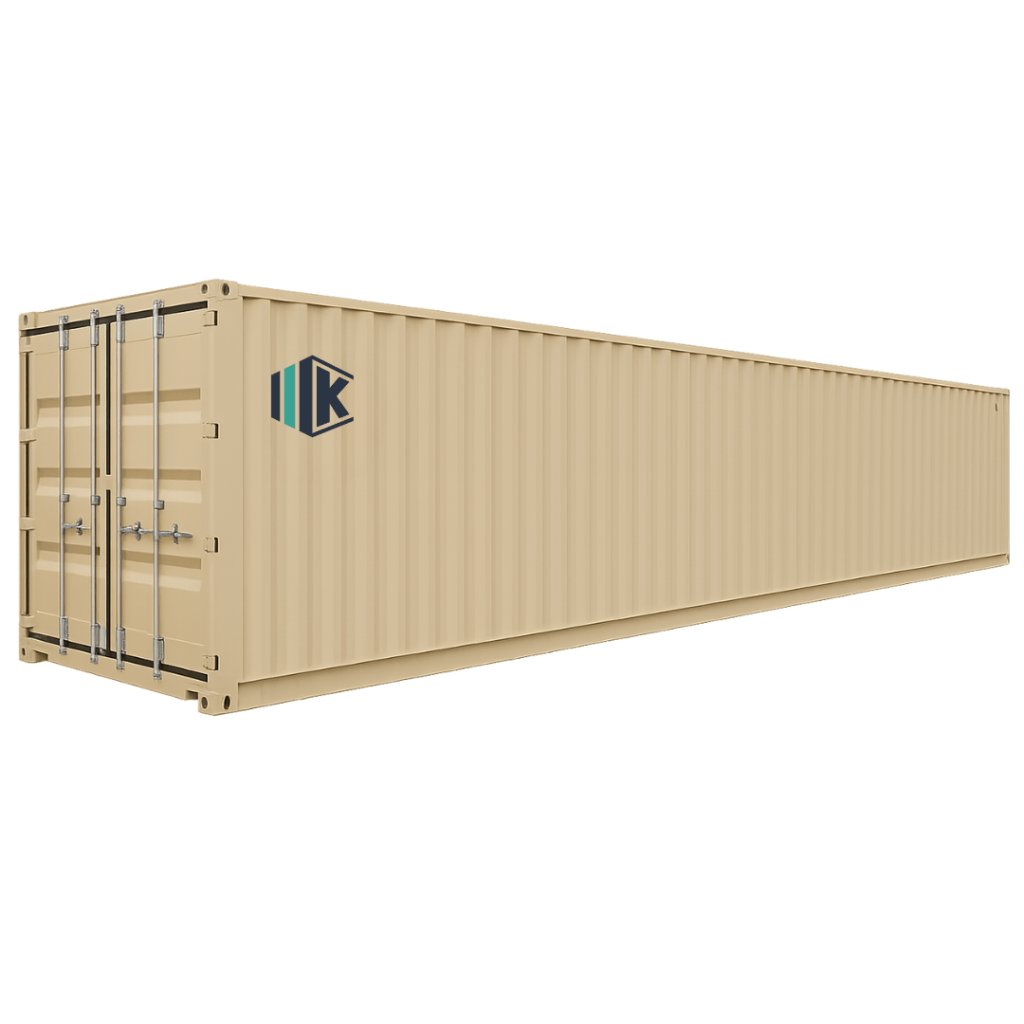
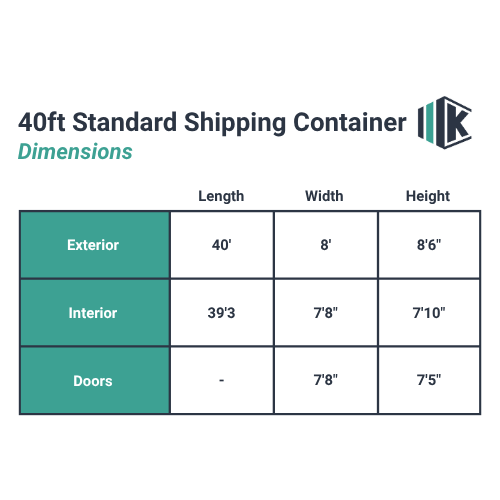
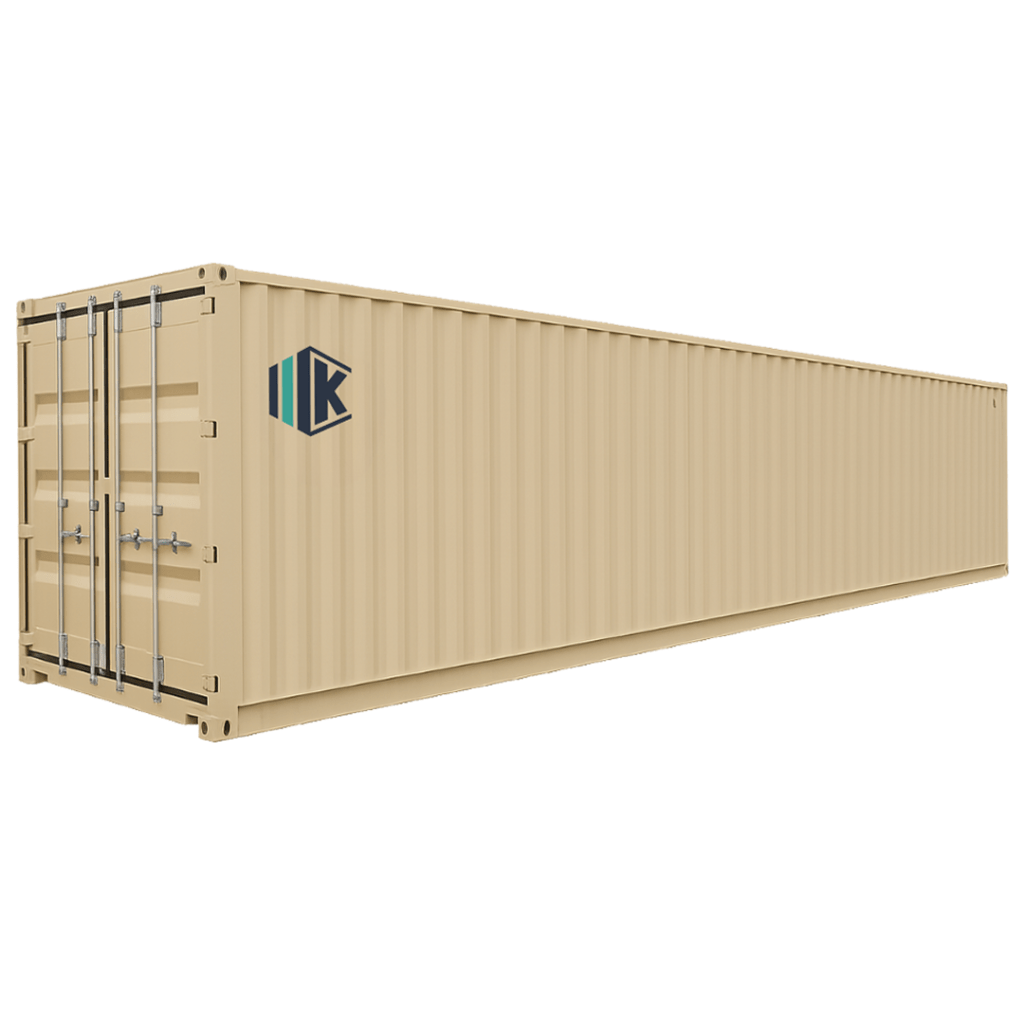
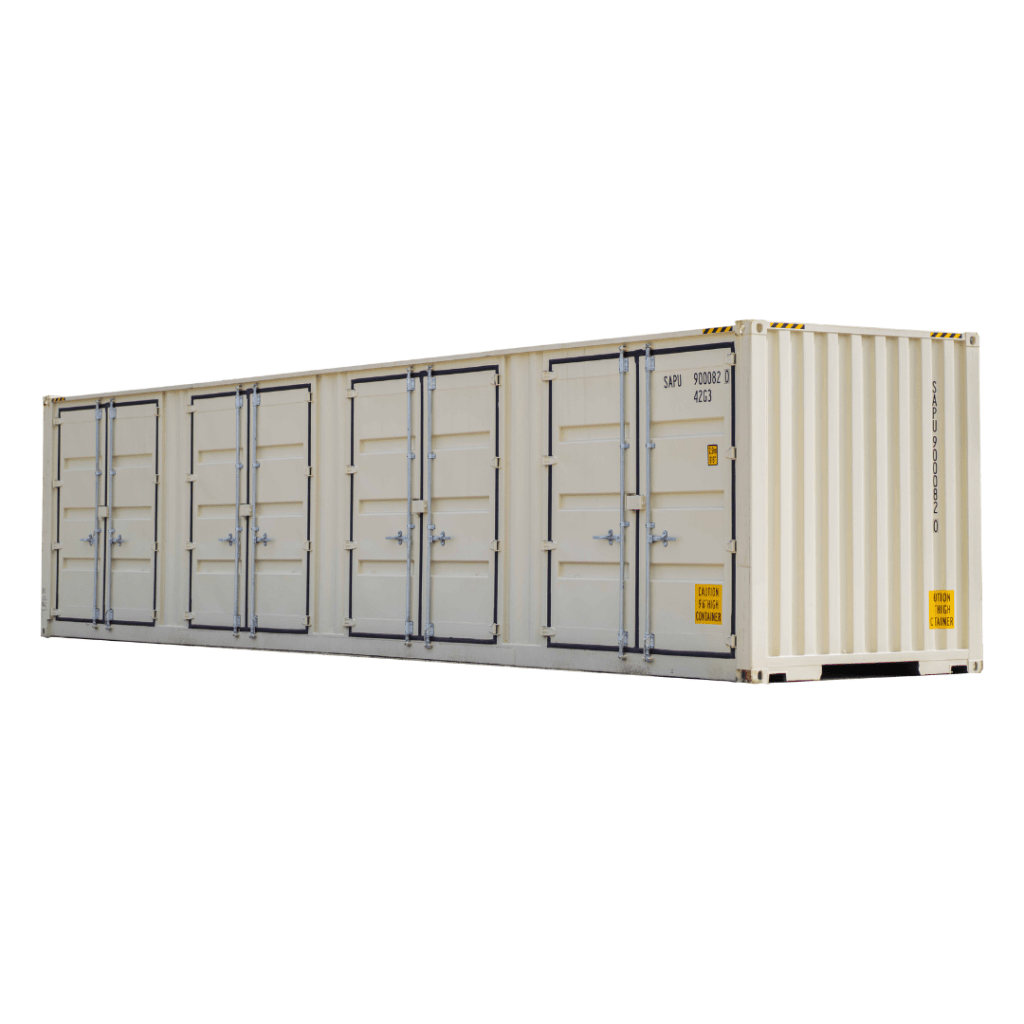
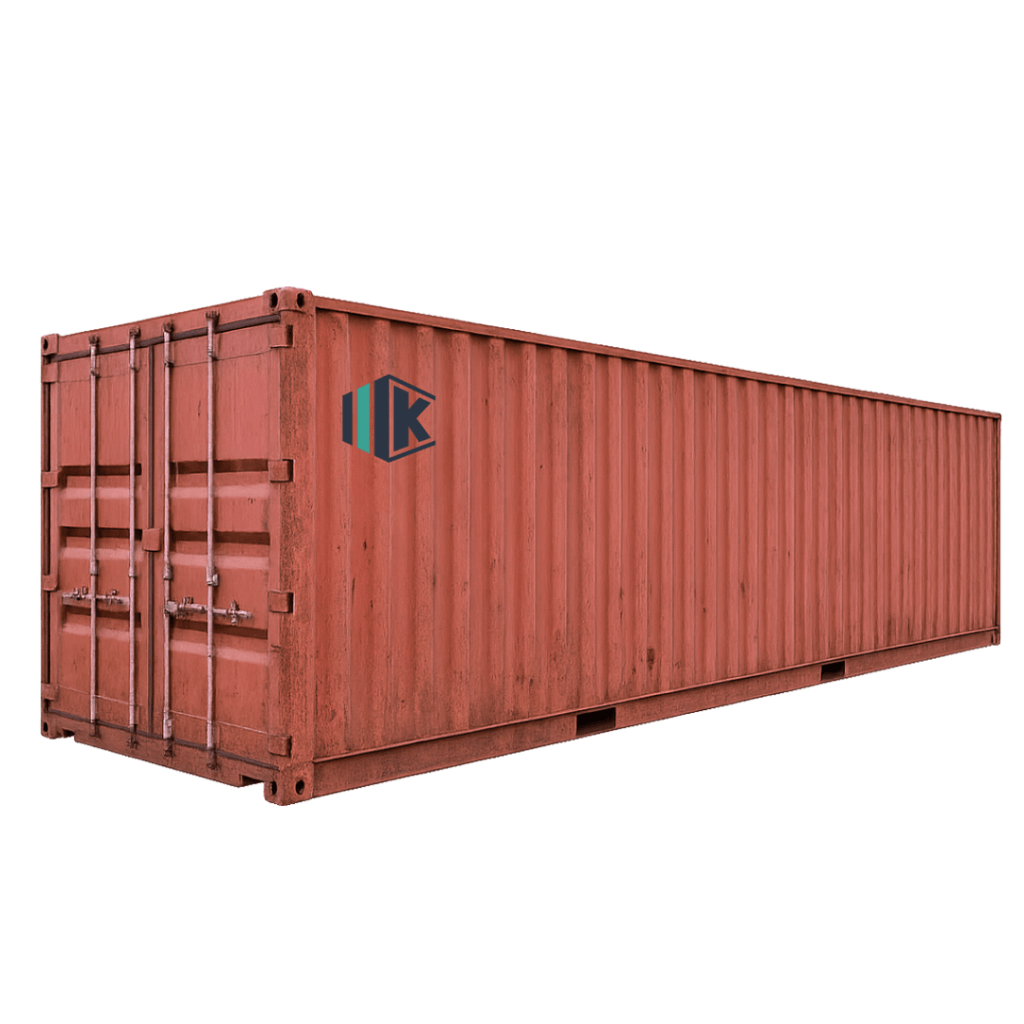
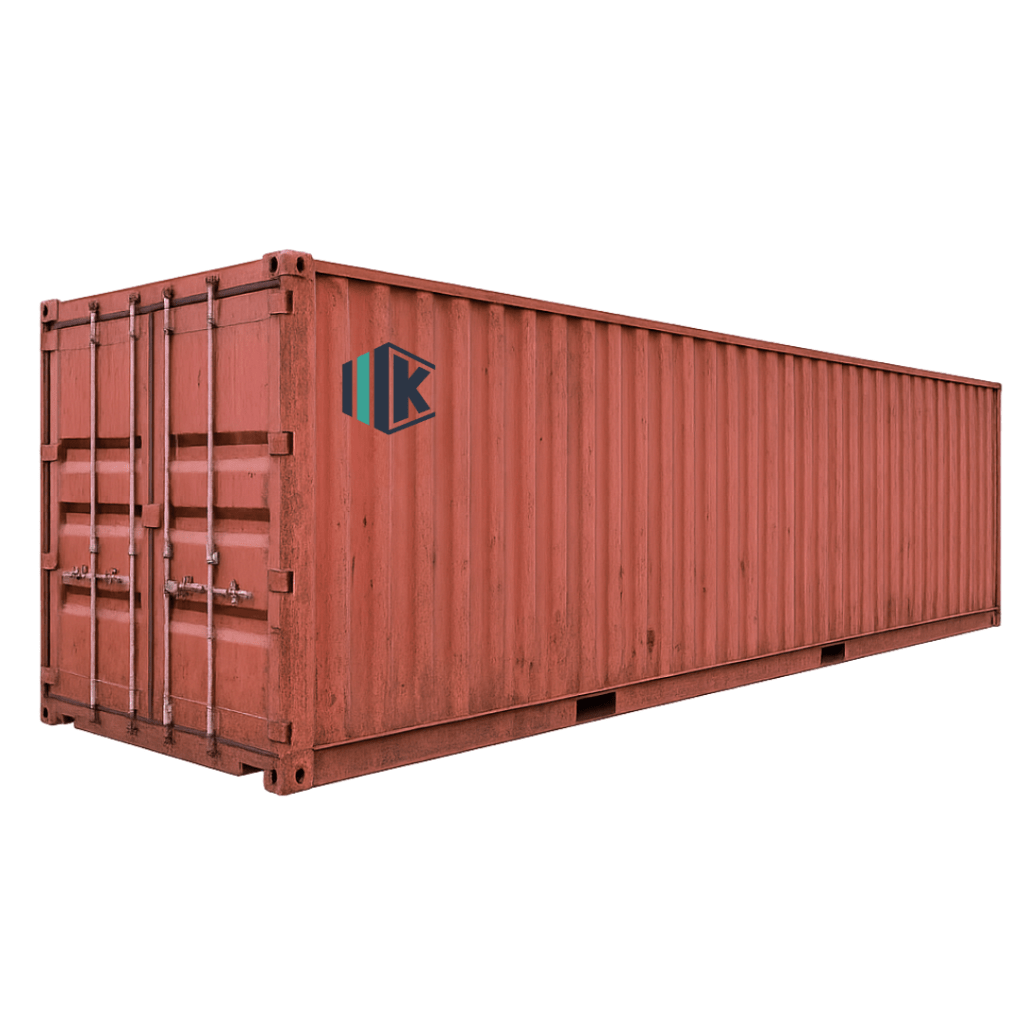
- 40ft standard (about 320 sq ft): finished goods, long raw stock, or bulk packaging.
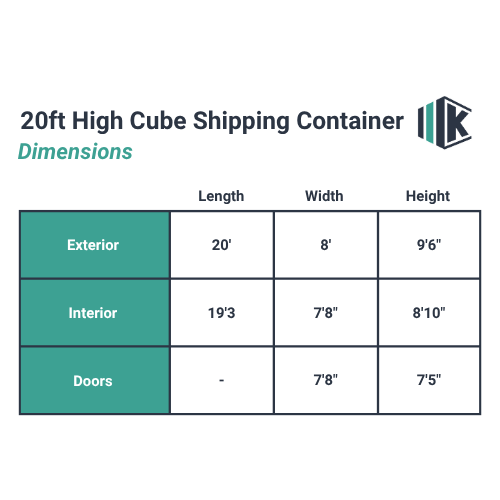
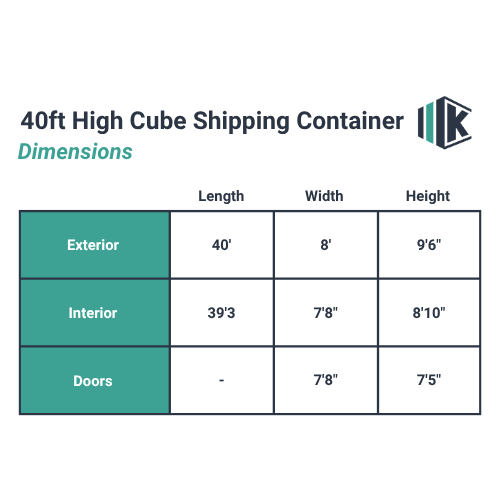
- High cube: an extra foot of height for stacked pallets. See the 20ft high cube.
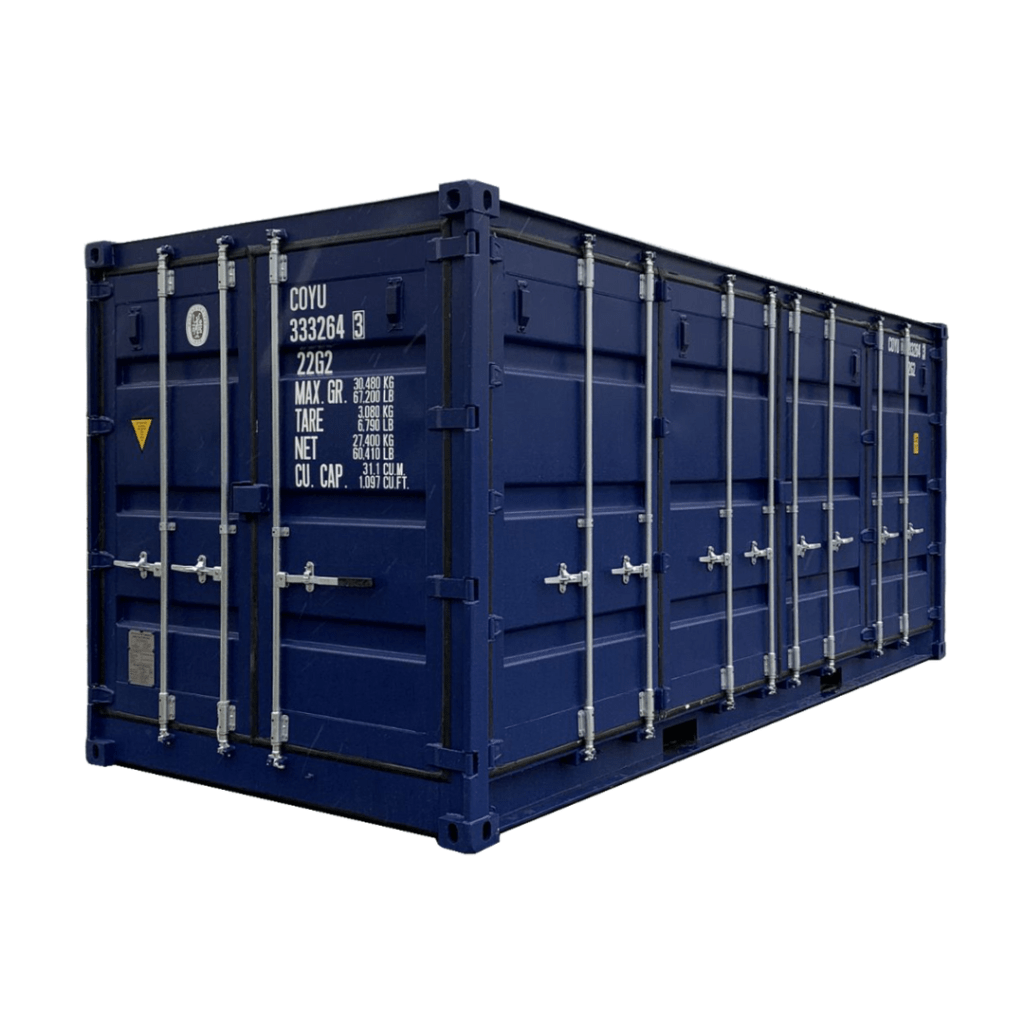
- Side-open: full-length access for daily picking. Best choice for a parts crib.
- New units: a 20ft new standard container when the unit sits where customers and auditors see it.
Buy or Rent
Buy when the need is structural. Overflow, parts, and raw stock do not go away. You own the unit and use it for decades, and you can move it if you relocate.
Rent when the need has an end date. A seasonal build, a plant reconfiguration, a floor coating project, a machine install. Start with a 20ft container rental or a 40ft container rental.
Running several lines or buildings? Ask about pricing on multi-unit orders.
Yard Placement and Delivery Clearance
Industrial yards are tight. Sort this before delivery day.
- Straight-line clearance: a tilt-bed truck needs roughly 75 feet for a 20ft unit and about 110 feet for a 40ft unit. Measure it.
- Ground: level and well drained. Gravel, asphalt, or concrete. Soft ground makes doors bind.
- Forklift path: leave room to work the doors with a lift, not just to walk up.
- Traffic: keep units clear of truck turns, fire lanes, and pedestrian routes.
- Local rules: some municipalities treat containers as structures even in industrial zones. Ask before you order.
Spec questions are answered on our container FAQ page.
Why Pennsylvania Manufacturers Buy From Keystone
- Family-owned and based in Lebanon, PA, in the middle of the state’s manufacturing belt.
- New and used 20ft and 40ft units in stock, so you are not waiting on supply.
- Straight answers on condition grading. You know what you are getting.
- Delivery across Pennsylvania. Read customer reviews or learn about our team.
Serving Manufacturers Across Pennsylvania
We deliver to plants and shops statewide. Core areas include:
- Lebanon: 17042, 17046
- Harrisburg: 17101, 17110 (containers in Harrisburg)
- Lancaster: 17601, 17603 (containers in Lancaster)
- Philadelphia: 19107, 19103 (containers in Philadelphia)
- Pittsburgh: 15222, 15219 (containers in Pittsburgh)
See every area we serve. Outside these ZIPs? Ask us where we deliver.