Add Rentable Units Without Breaking Ground
A shipping container is a rentable unit the day it lands. No foundation. No framing. No waiting on a half-built structure.
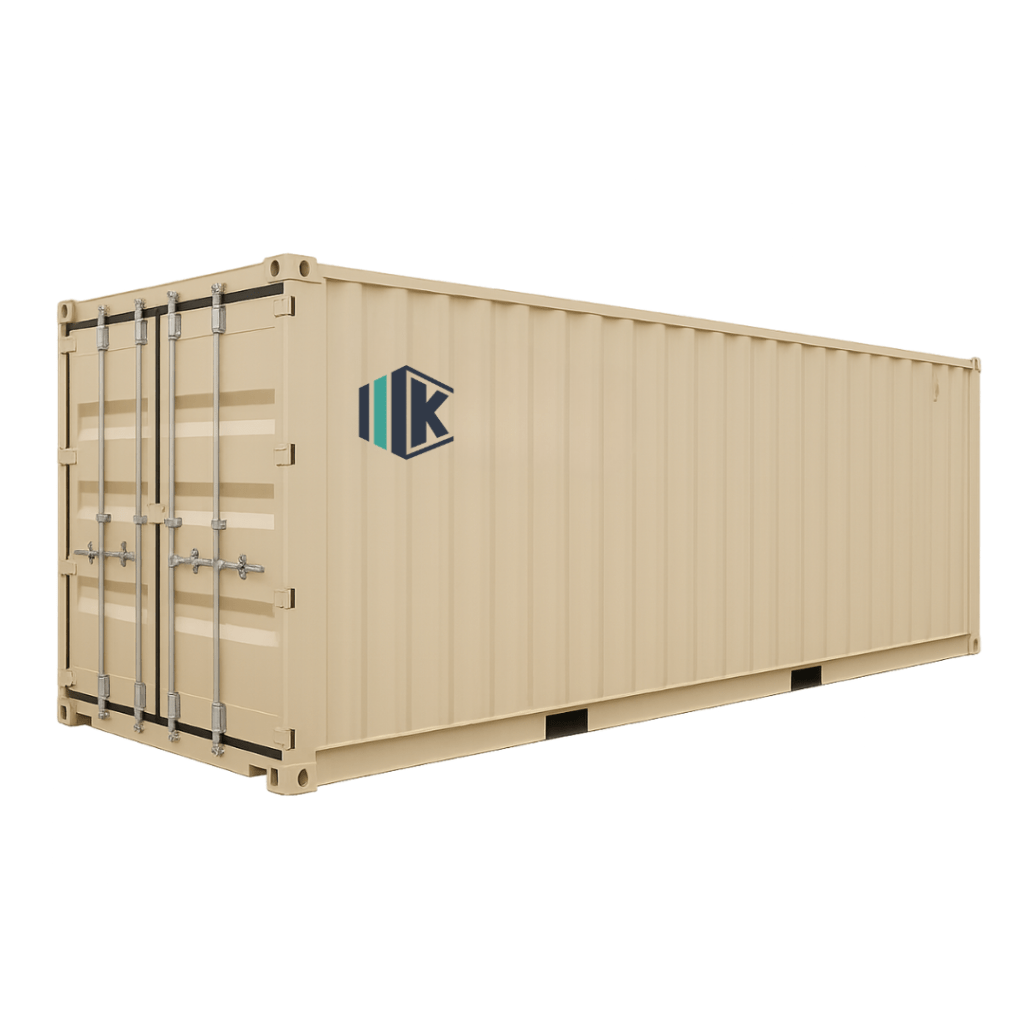
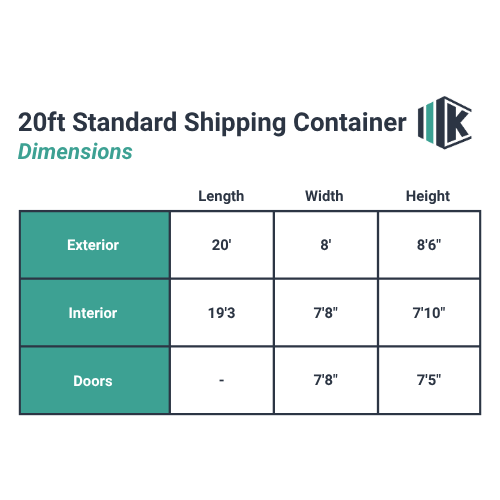
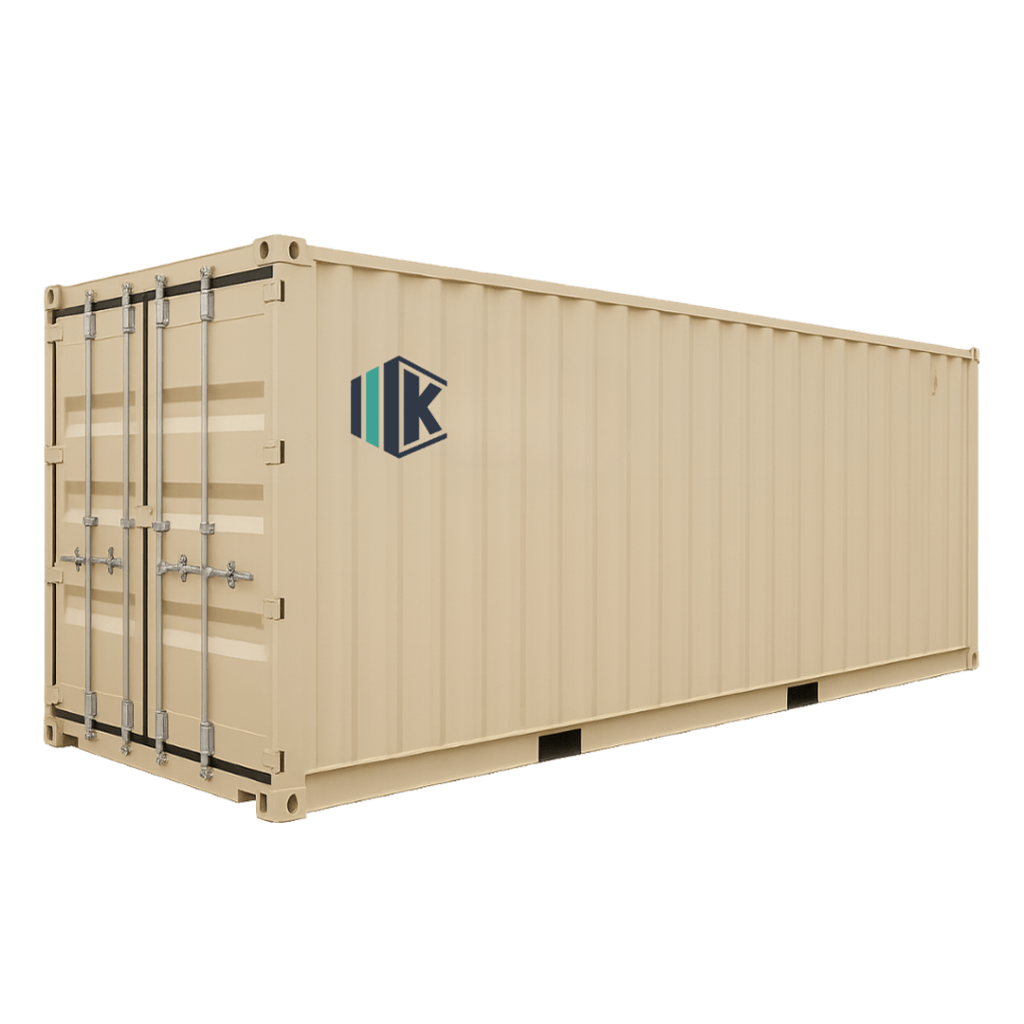
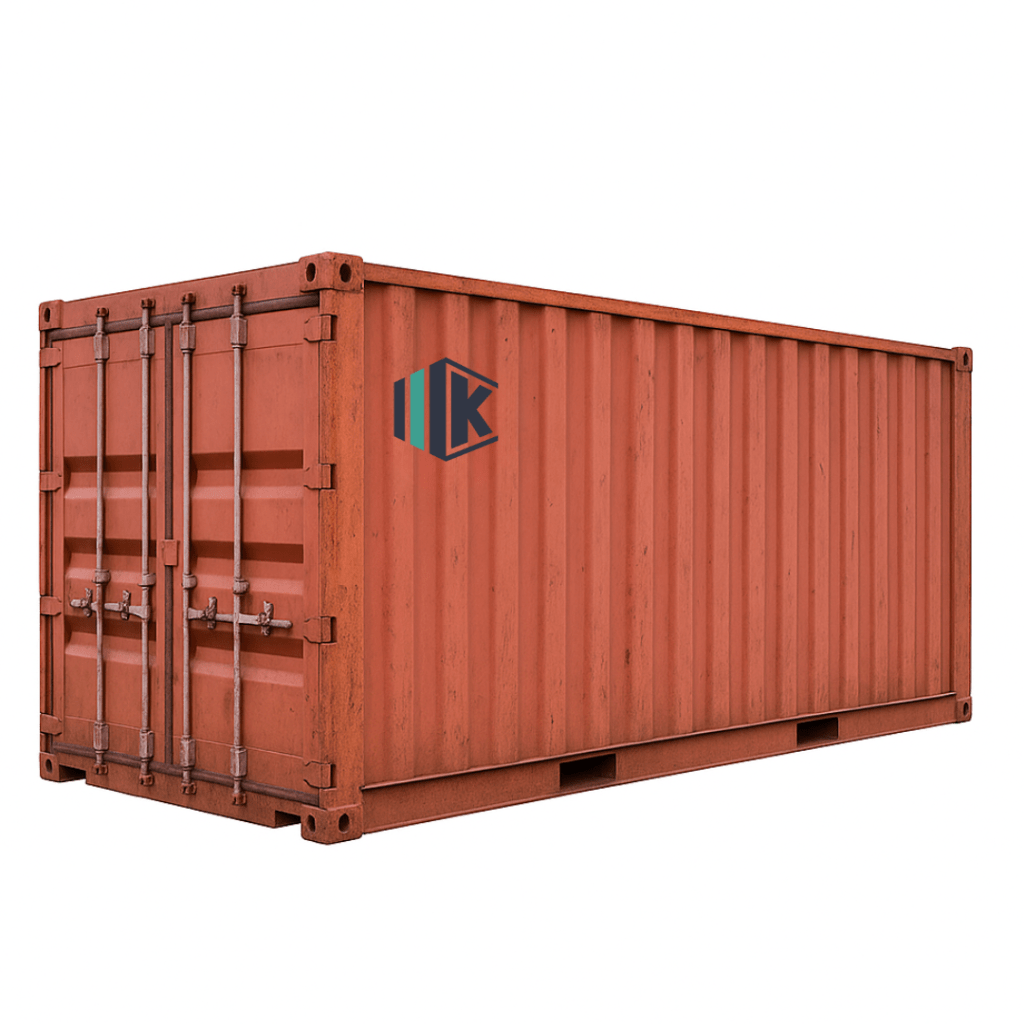
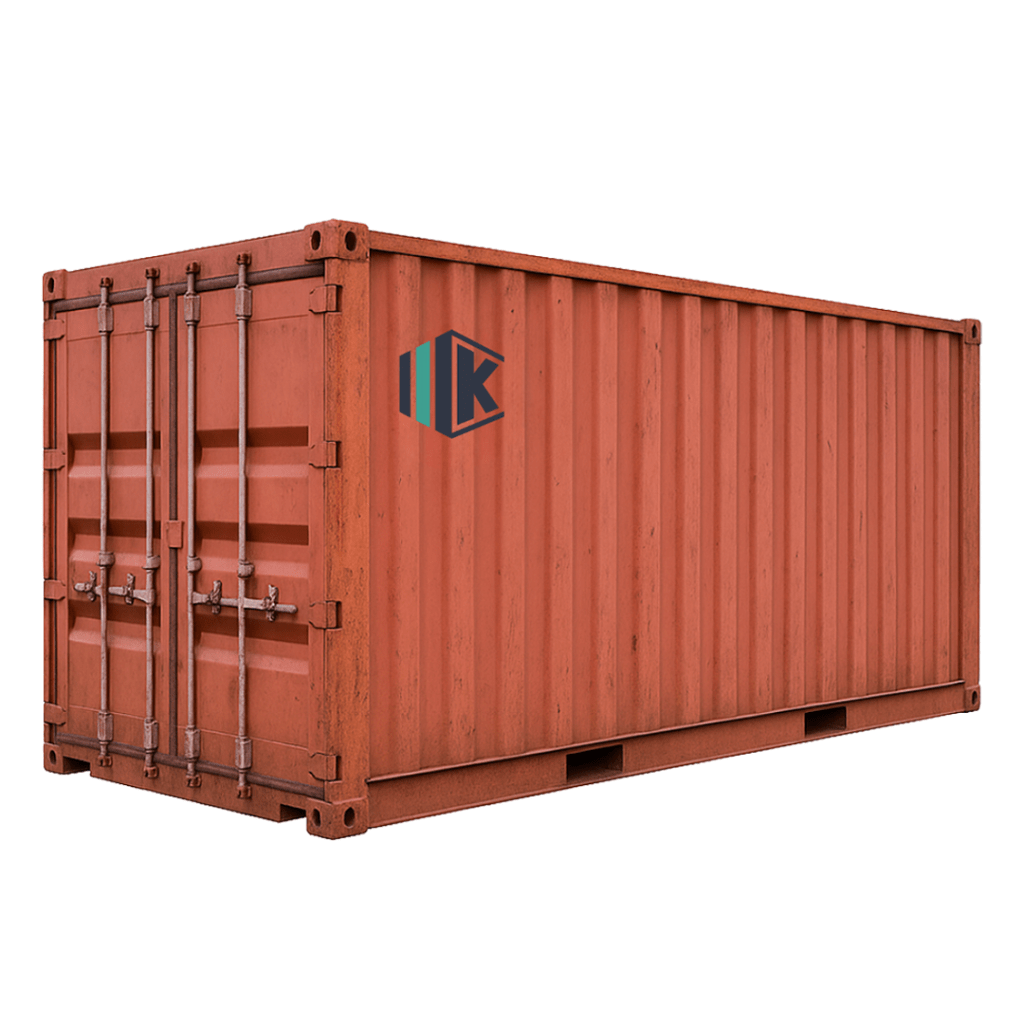
- A 20ft unit gives you about 160 square feet of ground-level, drive-up space.
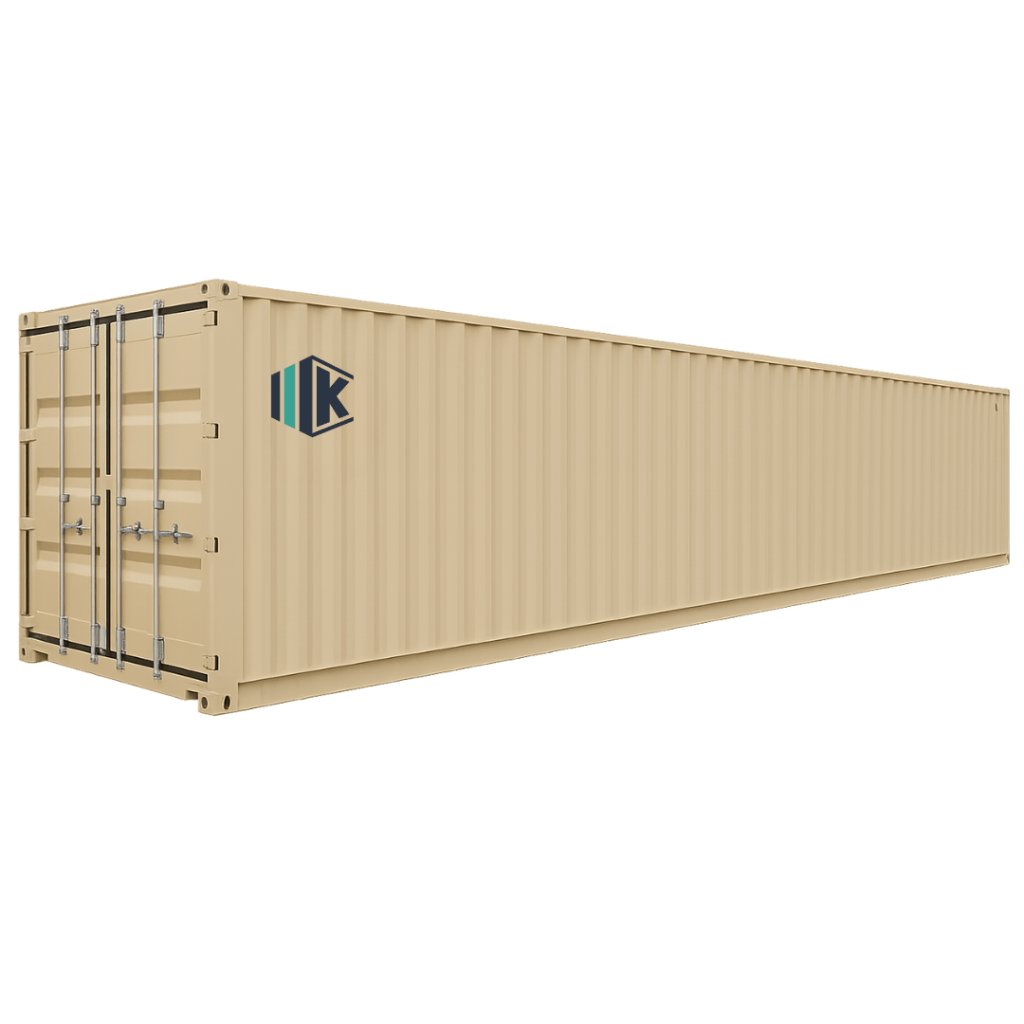
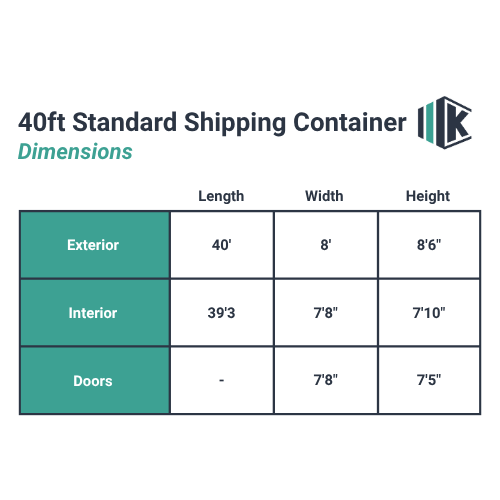
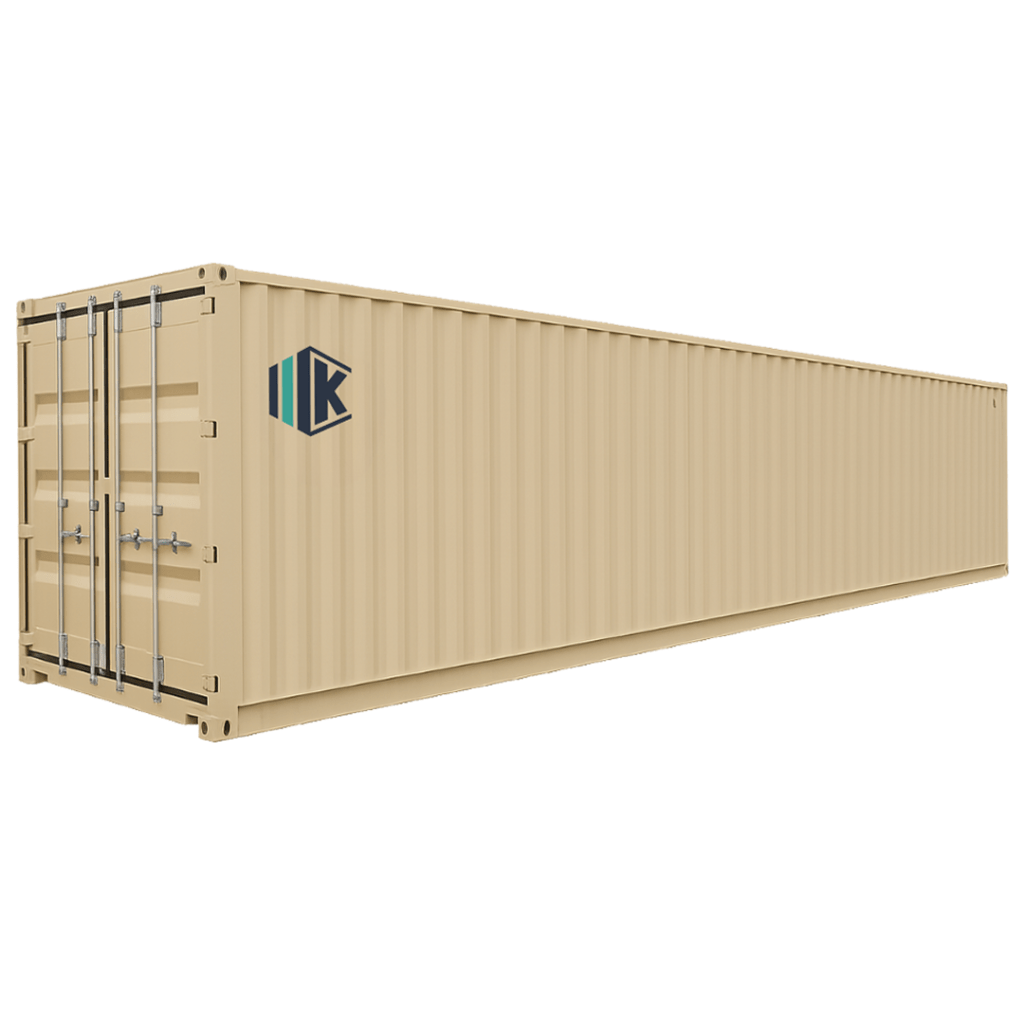
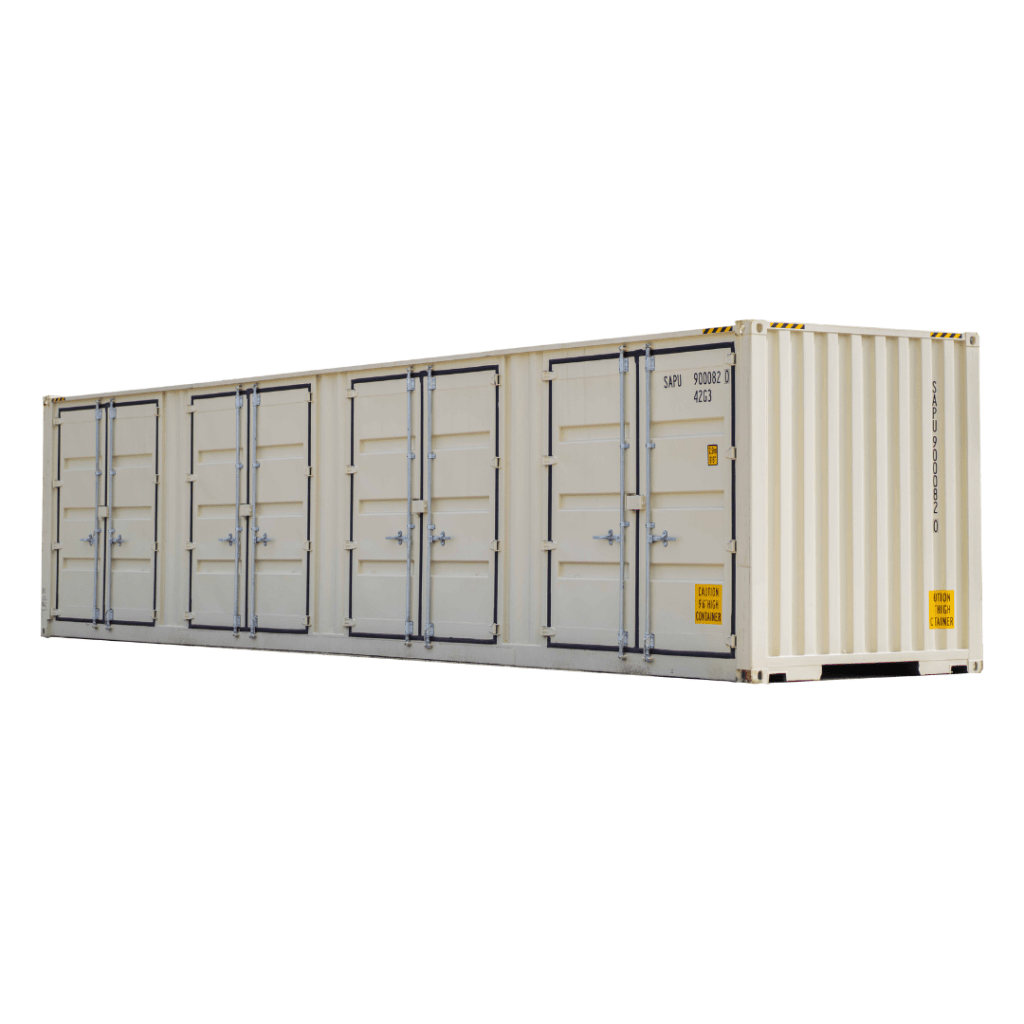
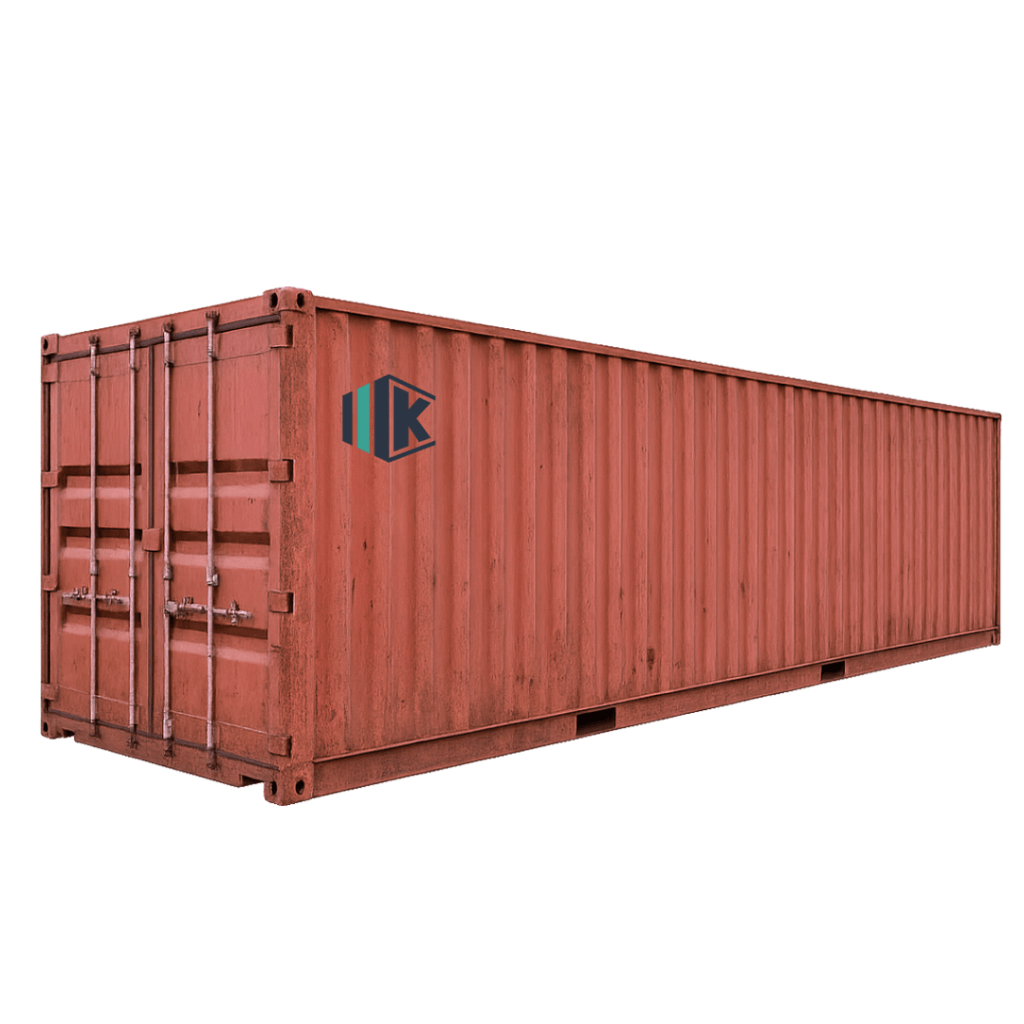
- A 40ft unit gives you about 320 square feet. Or split it into smaller units.
- Customers pay extra for drive-up access. Containers are drive-up by default.
- Add three units this quarter and six more next quarter. Buildings do not scale in small steps.
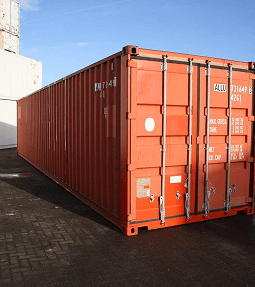
Most operators start with the 20ft used standard container. It gives you the lowest cost per unit. For a row your customers see up close, use a 20ft new standard container.
Absorb Overflow Demand Without Turning Customers Away
Turning away a tenant is worse than an empty unit. You lose the rent. You lose the referral too.
Overflow follows a schedule you already know. Spring and summer moves. Student turnover. Business inventory swings. Containers let you match that demand.
- Catch the overflow that would walk to the operator down the road.
- Give commercial tenants a bigger unit than your building offers.
- Return or move the units when the season ends.
For short peaks, rent instead of buy. Start with a 20ft container rental or a 40ft container rental. Give it back when demand cools.
Expand Your Facility Without New Construction
Containers fit where buildings cannot. Odd corners, narrow strips, and fence lines all become rentable.
They also stay portable. Redevelop the site later and you move the units instead of tearing them down. Operators even move containers with a tenant’s belongings still inside. No building can do that.
- Use narrow or odd-shaped land that will not hold a building.
- Expand in phases and match spend to real demand.
- Move units when you change the site layout.
- Sell the units if you exit or downsize.
The Capital Case for Container Storage Units
This is where containers win. It has little to do with the storage boom you read about years ago.
Lower Cost to Add Rentable Space
Building costs money you may not get back at today’s rates. A single-story facility runs about $55 to $85 per square foot, based on 2026 estimates. That is before land. All-in cost lands 25% to 40% higher. A used container costs far less per rentable foot. It needs no site work beyond level ground.
Faster Path to First Rent Check
New construction takes 8 to 12 months to finish. Permits often add 4 to 9 months before that. Call it a year and a half before one tenant pays you. A container can earn rent days after delivery.
Run the payback yourself. It is one line:
Months to payback = container cost ÷ monthly rent you charge
Ask us for unit pricing. Drop in your local rate. Now you have an answer before you spend a dollar.
Reversible If Your Market Shifts
Self-storage is local, and 2026 is soft in many markets. National occupancy sat near 77% in late 2025. Asking rents fell about 11% year over year. But household demand keeps climbing. The Self-Storage Association found that 11.1% of US households rented storage in 2022. By 2024 it was 13.4%. That is the biggest jump between survey periods. New supply is slowing too.
That mix rewards operators who add space with care. A building is a bet you cannot undo. Containers are not. If demand lands, buy more. If it does not, move them or sell them.
Which Container Sizes Rent Best
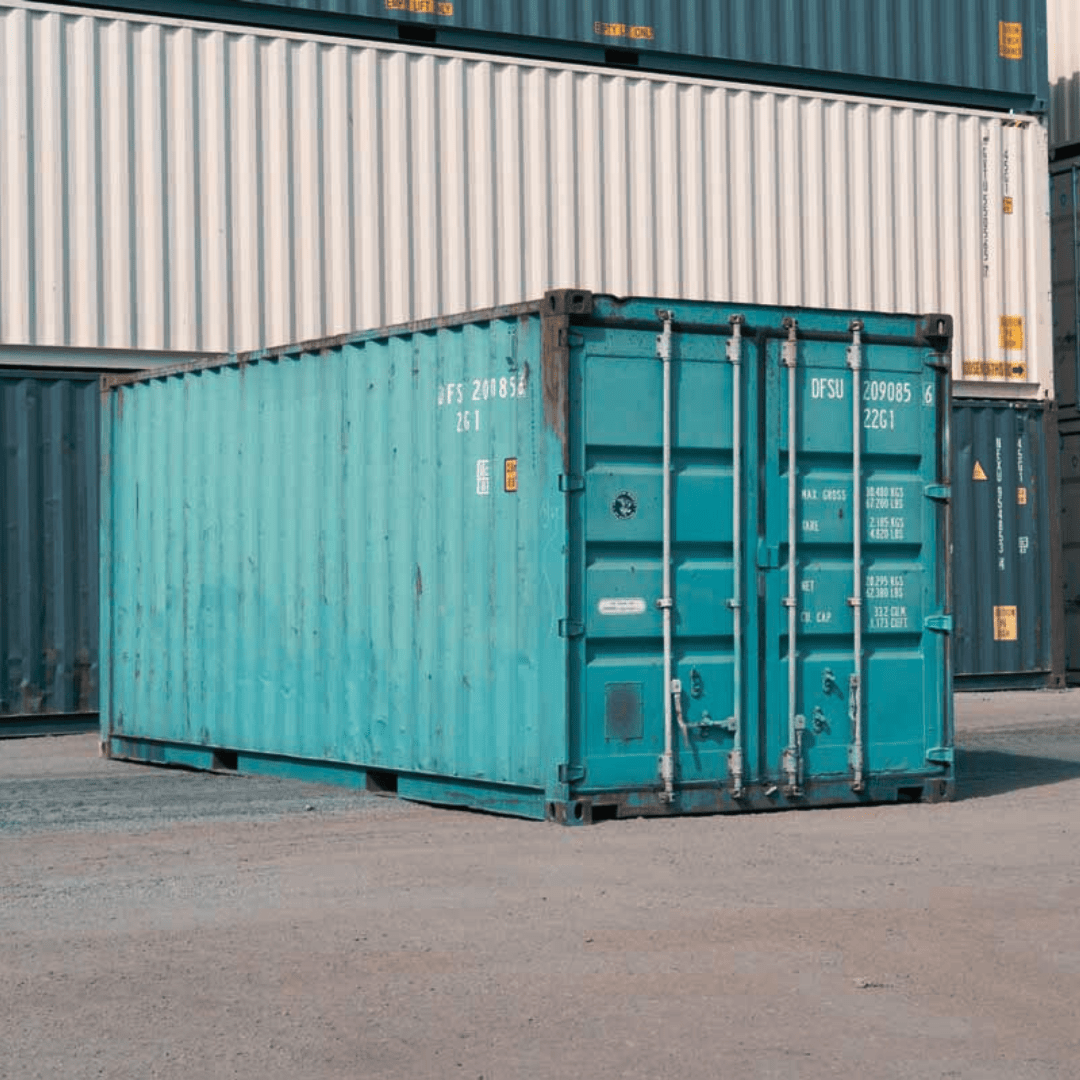
- 20ft standard (about 160 sq ft): your core unit, close to a 10×16 space.
- 40ft standard (about 320 sq ft): best value per foot, and easy to split.
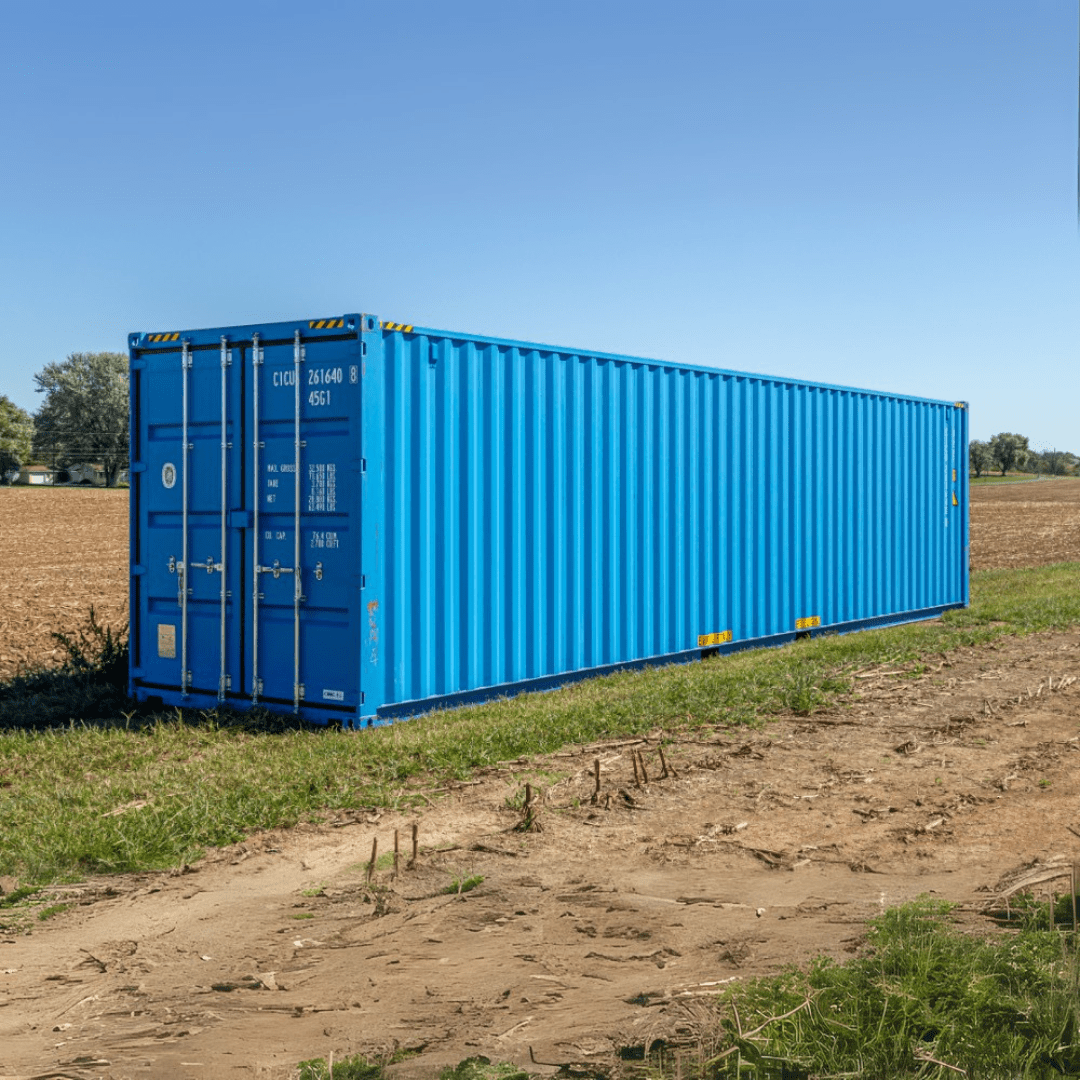
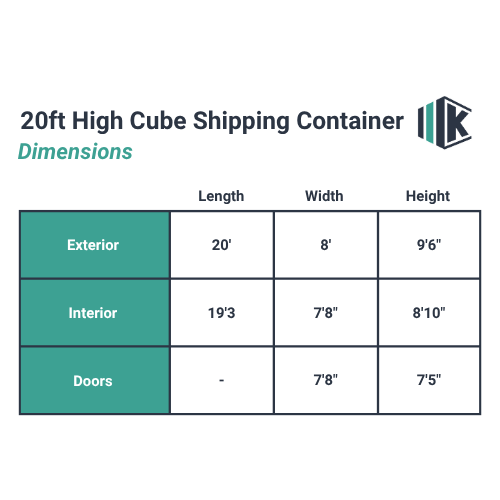
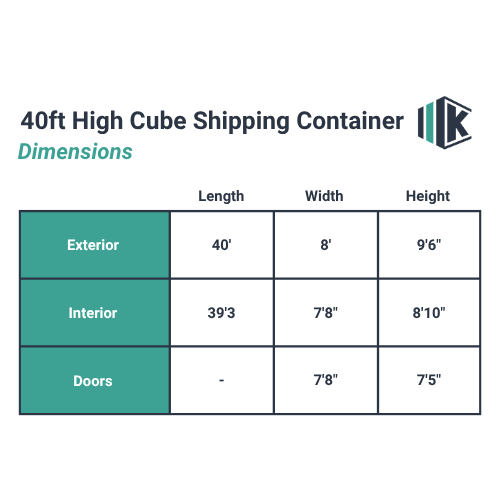
- High cube: one extra foot of height for tall or stacked loads. See the 20ft high cube and 40ft high cube.
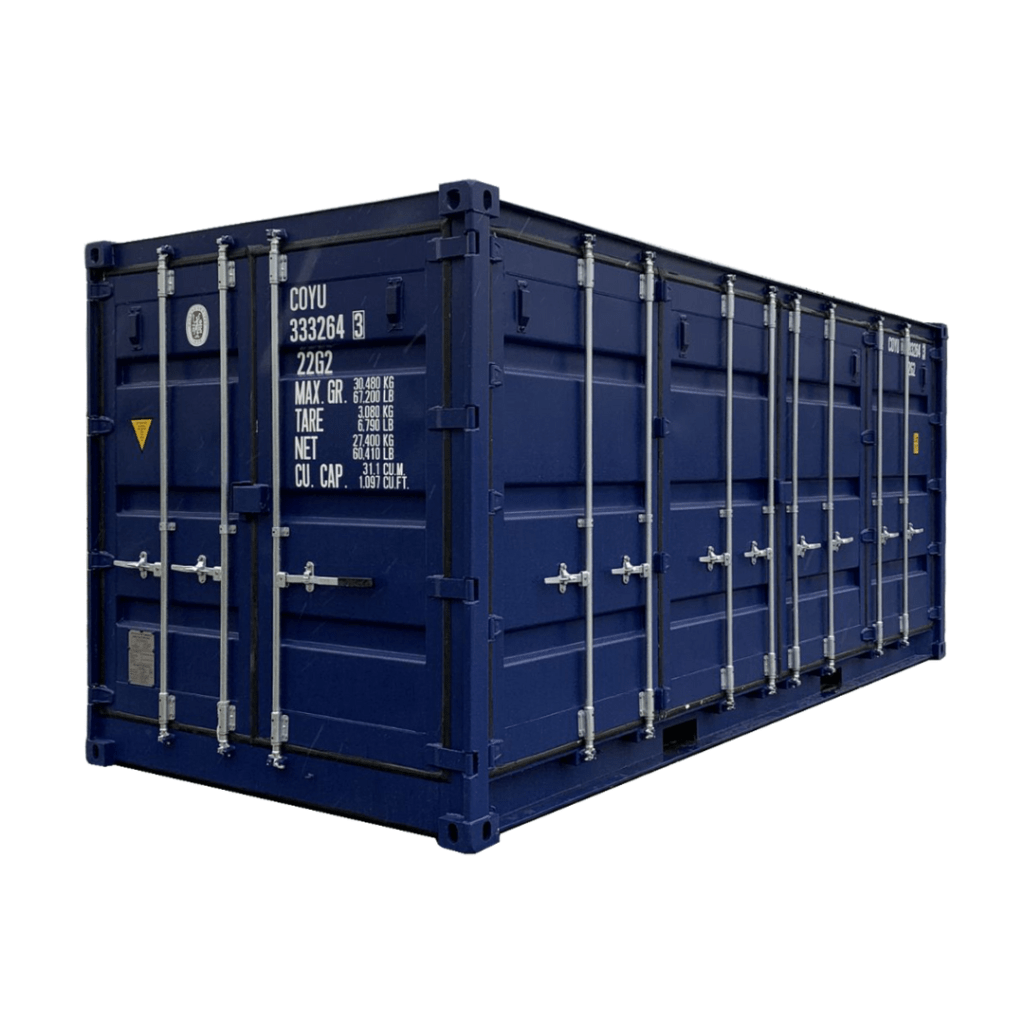
- Side-open: the 20ft side-open container opens along its full length. Good for tenants who load often.
Want more than one unit per container? A 40ft used standard container can take divider walls and extra roll-up doors. One shell becomes several smaller units. Smaller units usually rent for more per square foot. See our container modification ideas, then ask us to price the build.