Seed Storage That Protects Germination
Seed is the most expensive thing you will put in a container, and the easiest to ruin. Heat and humidity are what kill it.
Growers use a simple check called the hundred rule. Add the storage temperature in Fahrenheit to the relative humidity. Keep the total under 100. Every 10 degrees warmer roughly cuts seed storage life in half.
So here is the straight answer. A container is good seed storage in cool months and poor seed storage in July. Most seed handles short spells above 100 degrees, but a whole summer of it damages the embryo.
Use a container for seed when:
- You are holding next season’s seed through fall, winter, and early spring
- You need short-term space at delivery and planting
- You are staging treated seed away from feed and other supplies
Set it up right:
- Park it in shade if you have any
- Keep bags off the floor on pallets
- Leave the factory vents clear
- Check bags for condensation after big temperature swings
Treated seed needs care of its own. It is dyed bright on purpose, because it is a pesticide product. Store it away from feed, grain, and anything that goes to an animal or a person.
Chemical and Pesticide Storage
A locked steel container makes real sense for crop protection products. It keeps them dry, out of the weather, and away from kids, livestock, and thieves.
It does not make the rules go away. Pesticide storage is regulated, and the label is the law.
- Follow the label and the SDS. Product storage requirements, including temperature limits, are on the label. Both heat and freezing ruin some formulations.
- Keep labels attached and readable. Get replacements from your dealer if one comes off.
- Keep the SDS somewhere you can reach it fast, not locked inside the container.
- Separate everything. Chemicals do not share space with seed, feed, or personal protective gear.
- Plan for spills. Think about containment and what happens to runoff.
- Report theft. Pesticide theft goes to local police and the Pennsylvania State Police.
Penn State Extension publishes a pesticide storage and security fact sheet, developed with the Pennsylvania Department of Agriculture. Their Farm-A-Syst worksheet walks you through your own storage setup. Read both before you load a container, and talk to your dealer about anything with a tight temperature range.
Winter matters as much as summer here. A Penn State educator based in Lancaster County makes the point every year: know which products freeze, or you buy them twice.
Parts Storage That Keeps You Running
Farm downtime is not like factory downtime. You cannot make up a lost week when the weather window closes.
A combine down at harvest is not a repair bill. It is a risk to the crop. What decides how long you sit is almost never the wrench work. It is whether the part is on the farm or three days out.
Worth keeping on hand:
- Filters, belts, hoses, and fittings
- Bearings, chains, and sprockets
- Hydraulic fittings and spare cylinders
- Tires, tubes, and wheel hardware
- Planter and combine wear parts
- Grease, oil, and shop consumables
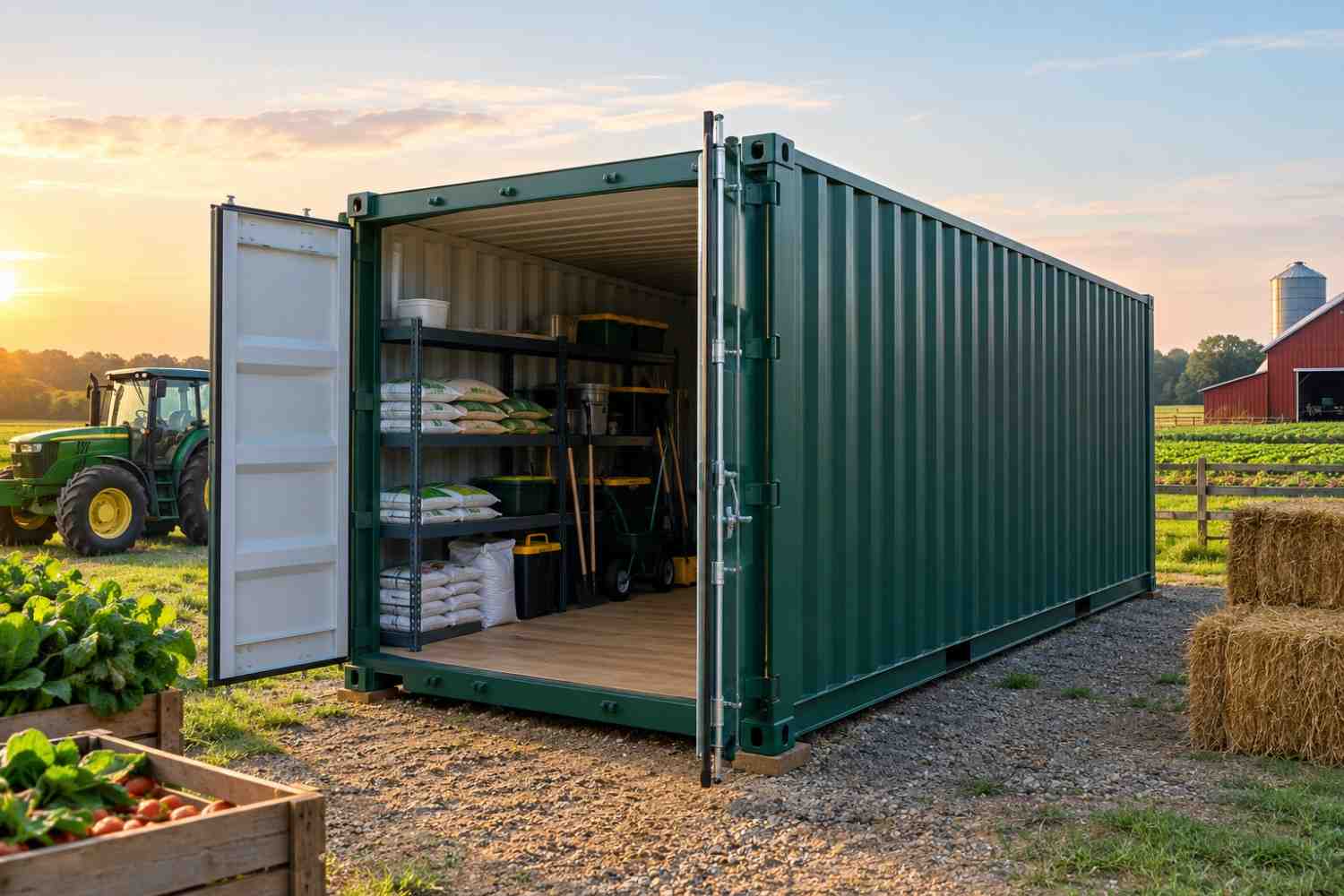
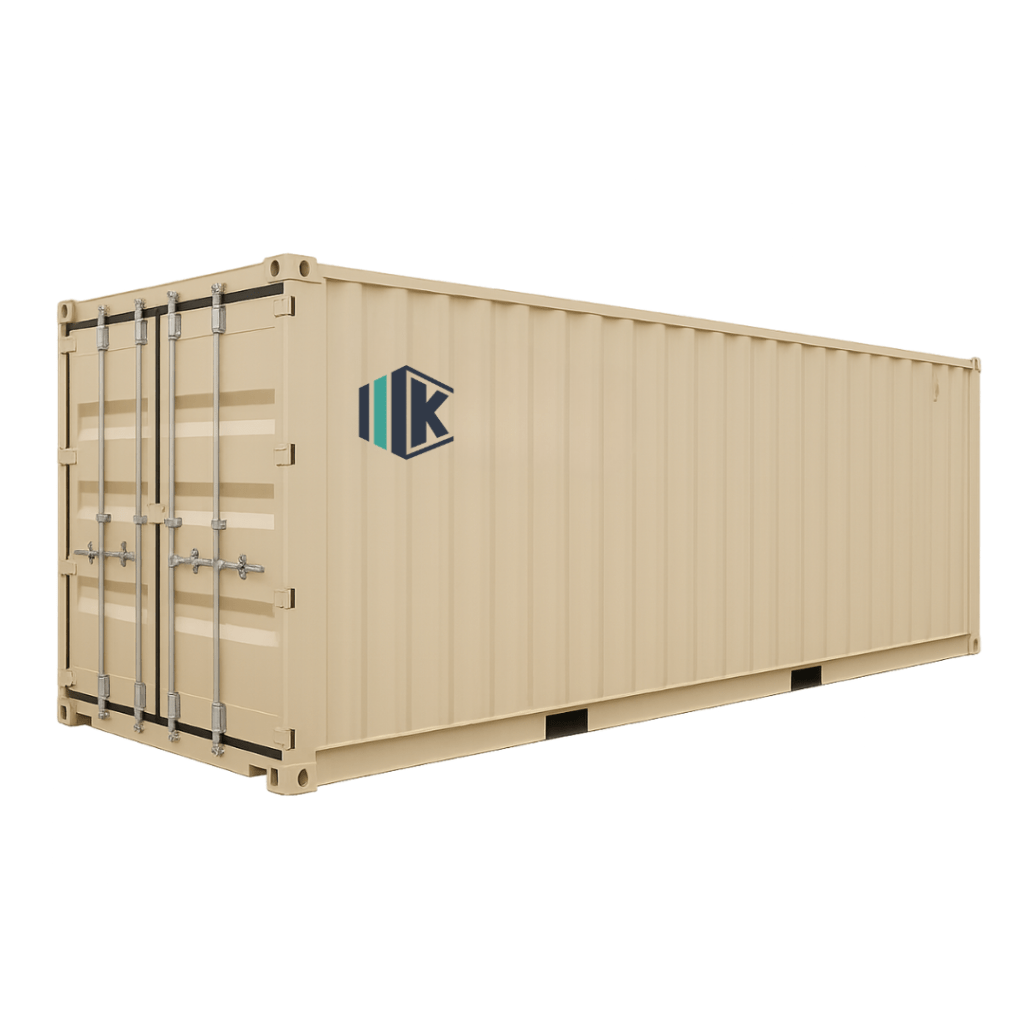
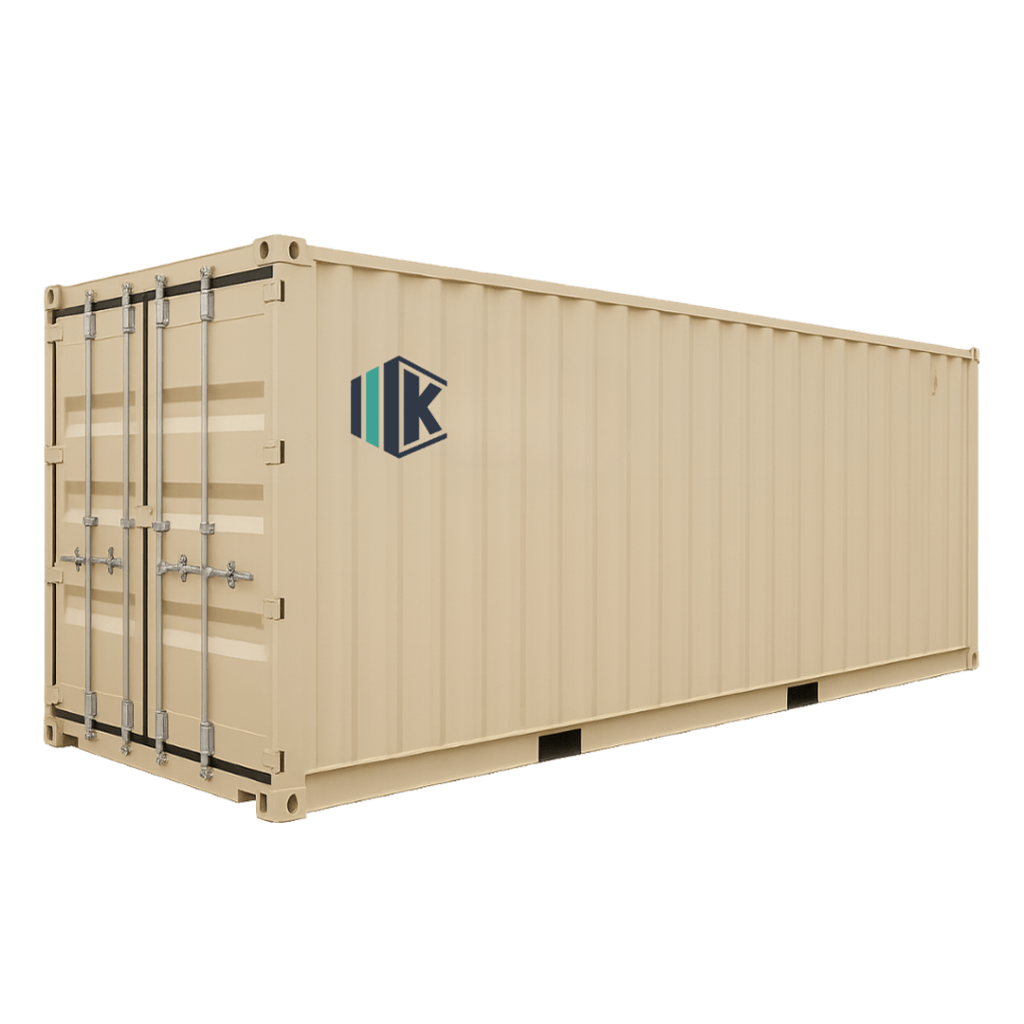
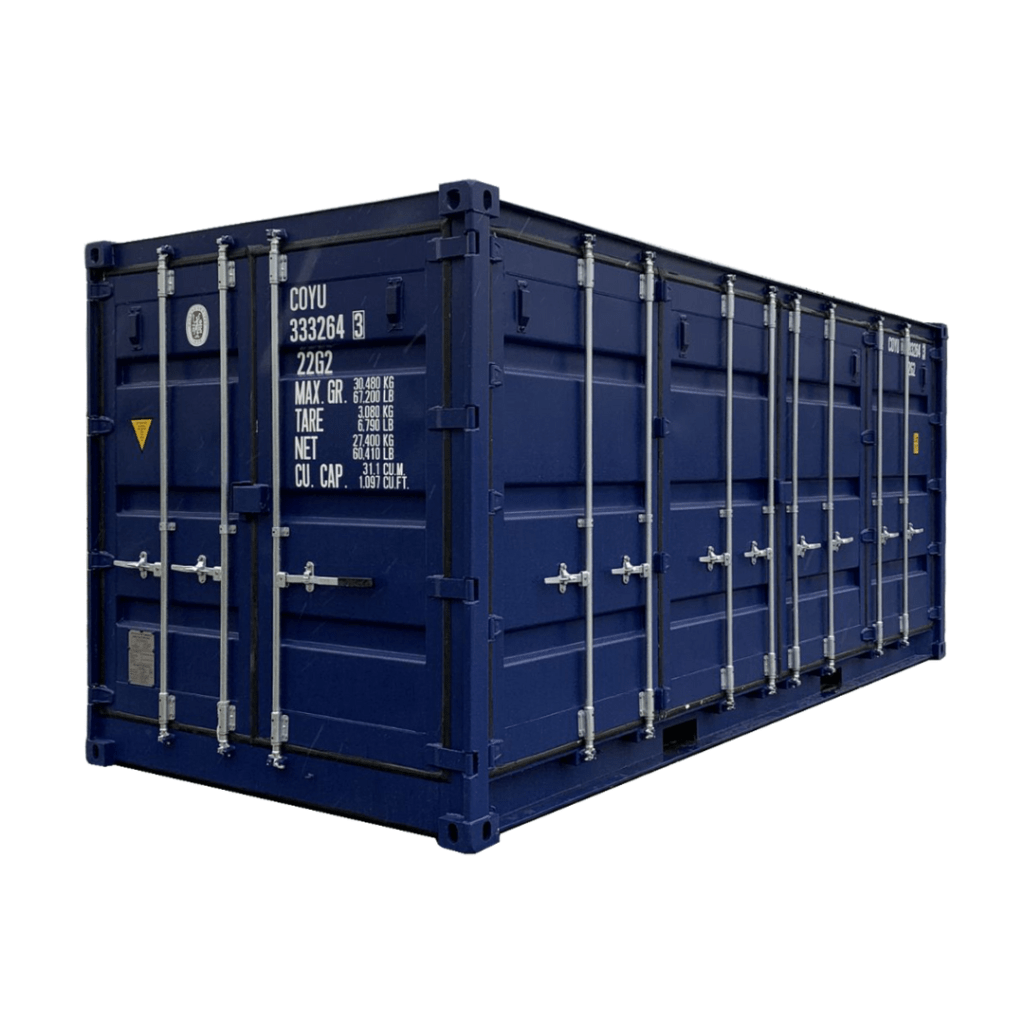
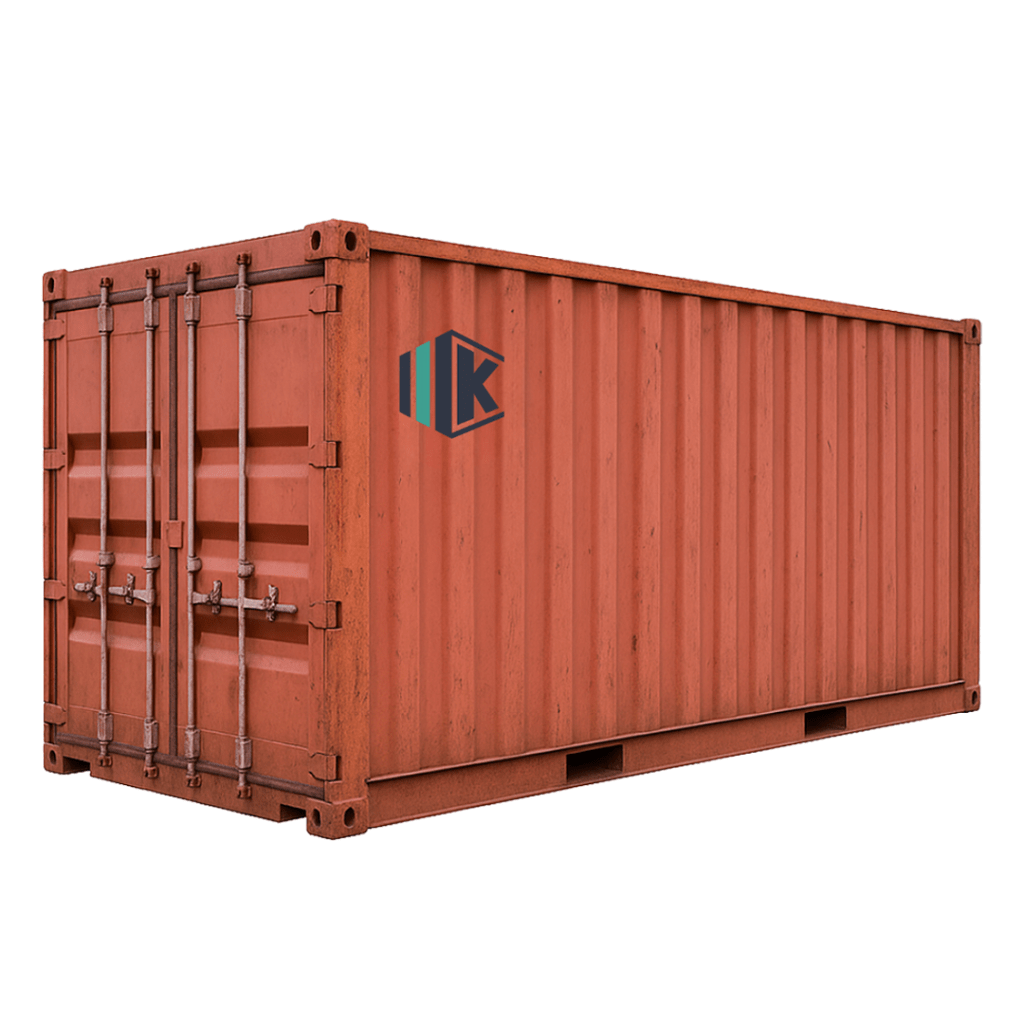
Put the container near the shop. Free-standing shelving drops straight in with no cutting, and you can set it up in an afternoon. For daily grab-and-go, a 20ft side-open container opens along its full length so nothing ends up buried at the back.
Feed Storage That Keeps Rodents Out
This is where steel beats a wooden shed outright. Rodents chew through wood and siding. They do not chew through a container.
- Bagged feed, minerals, and supplements
- Bedding and additives
- Pet and small-animal feed
- Overflow when the bin is full
Keep feed dry and it stays feed. Let moisture in and you get mold, which is an animal health problem, not just a loss. Set bags on pallets, keep vents clear, and check after weather swings.
One honest limit. A container is good for bagged feed and bulk in totes. It is not a grain bin. Loose grain at scale belongs in a real bin with aeration.
Fencing Supplies and Long Material
Fencing gear is the stuff that always goes missing. It ends up spread across three buildings and the back of a truck.
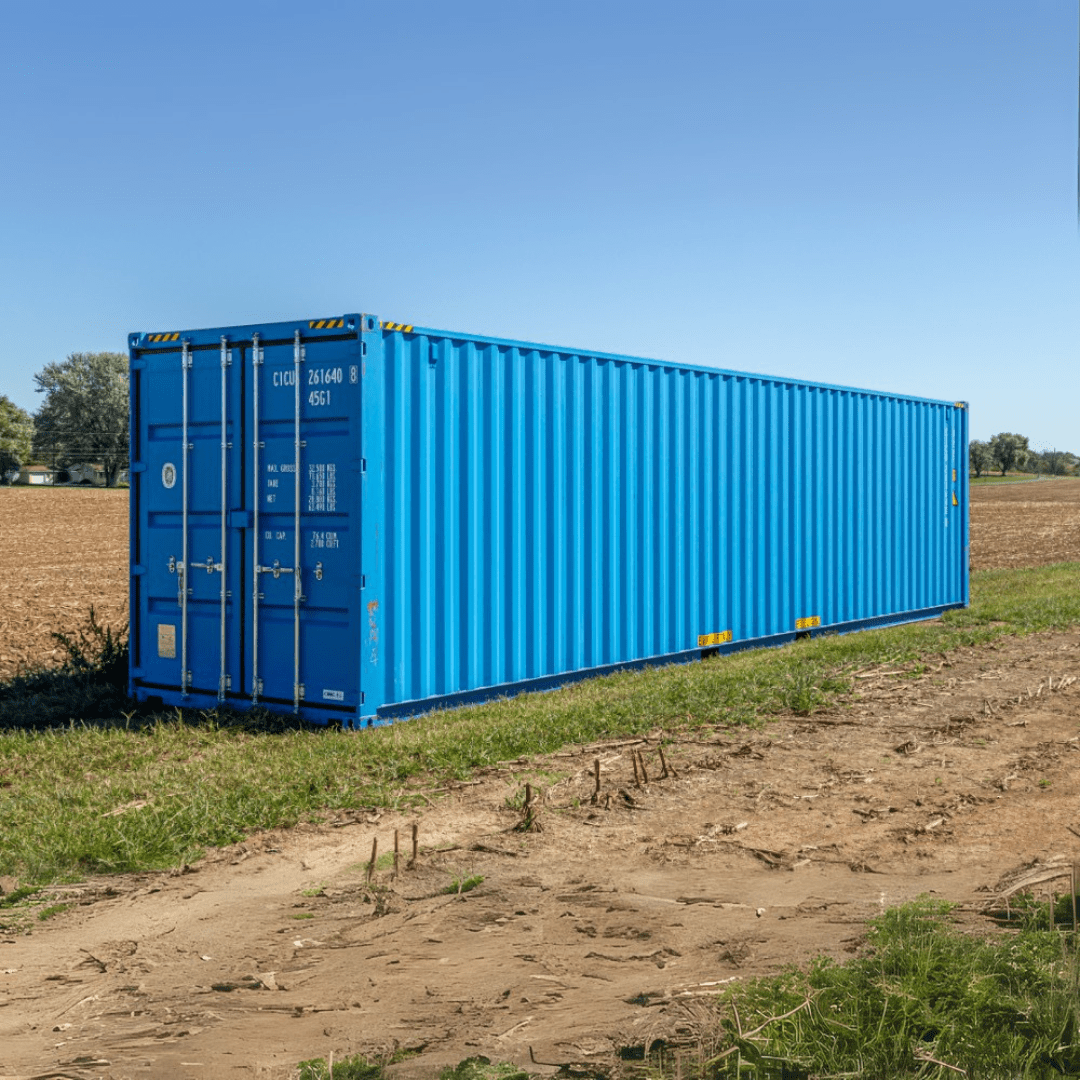
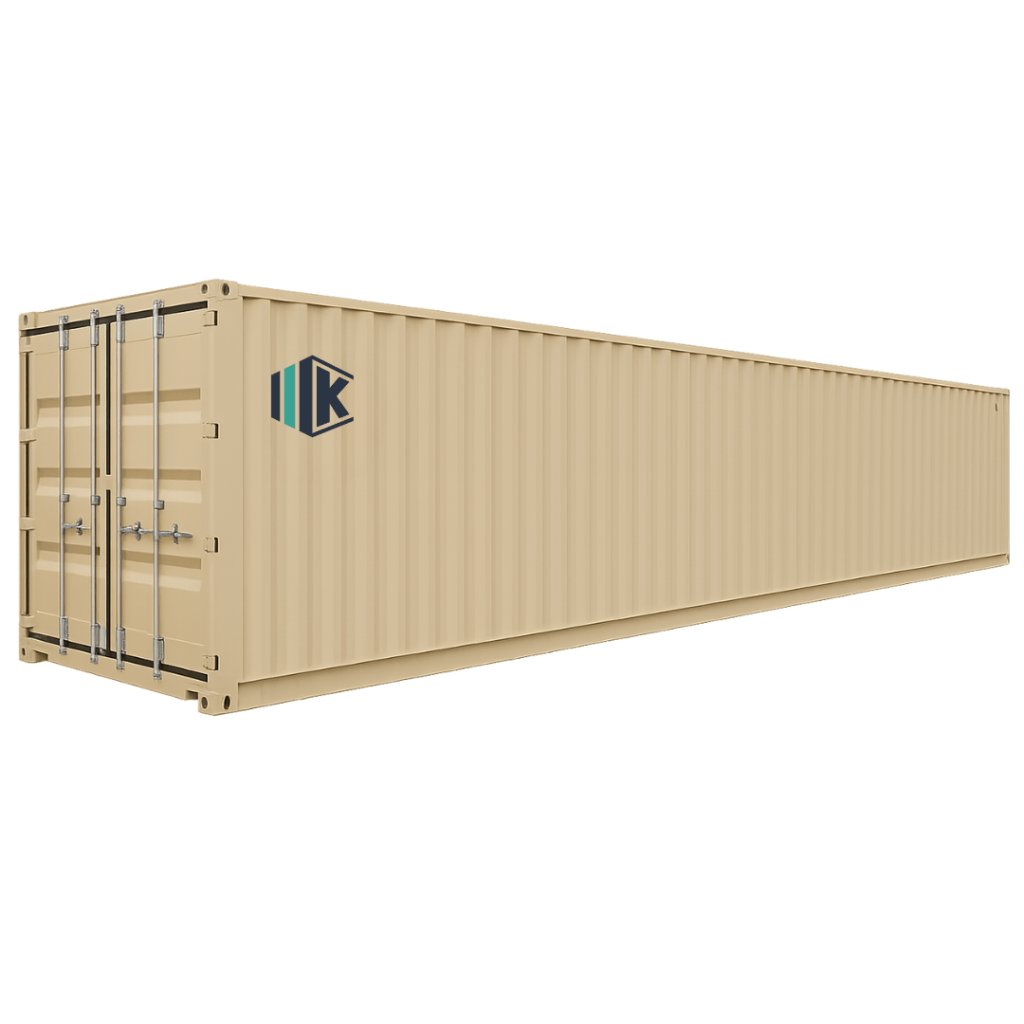
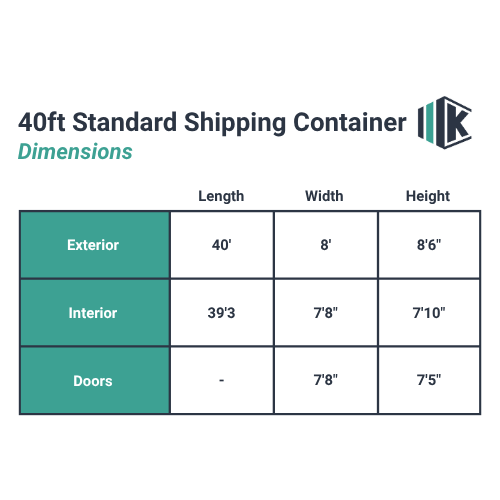
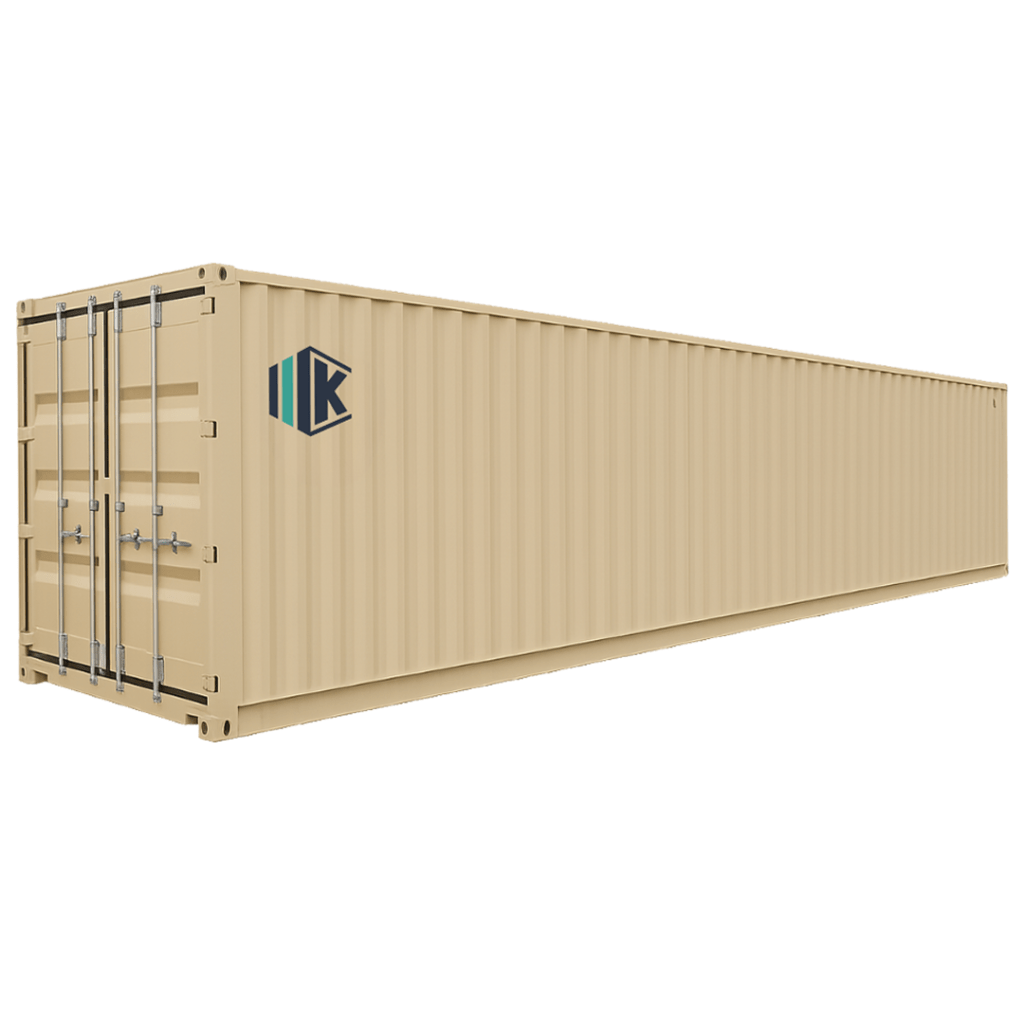
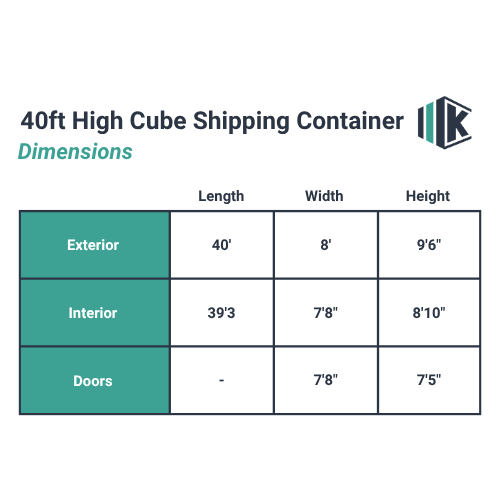
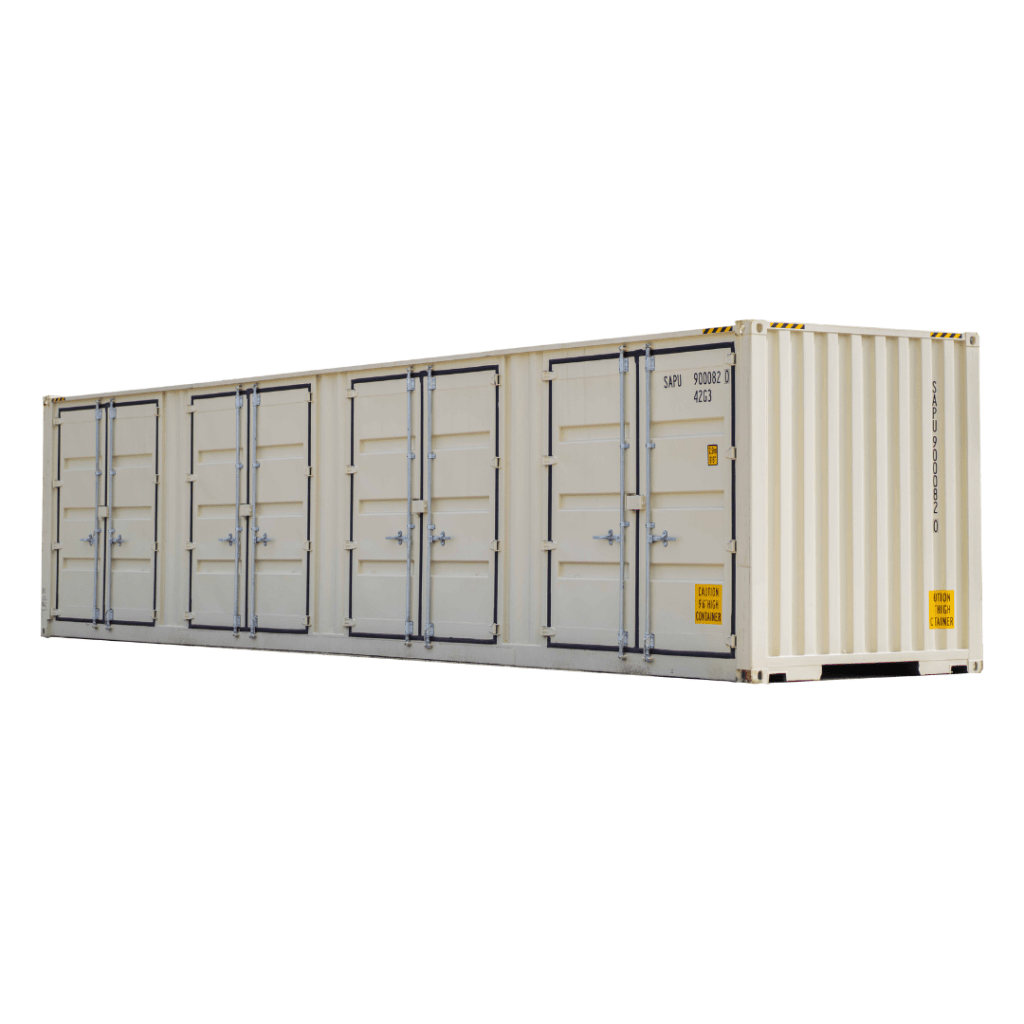
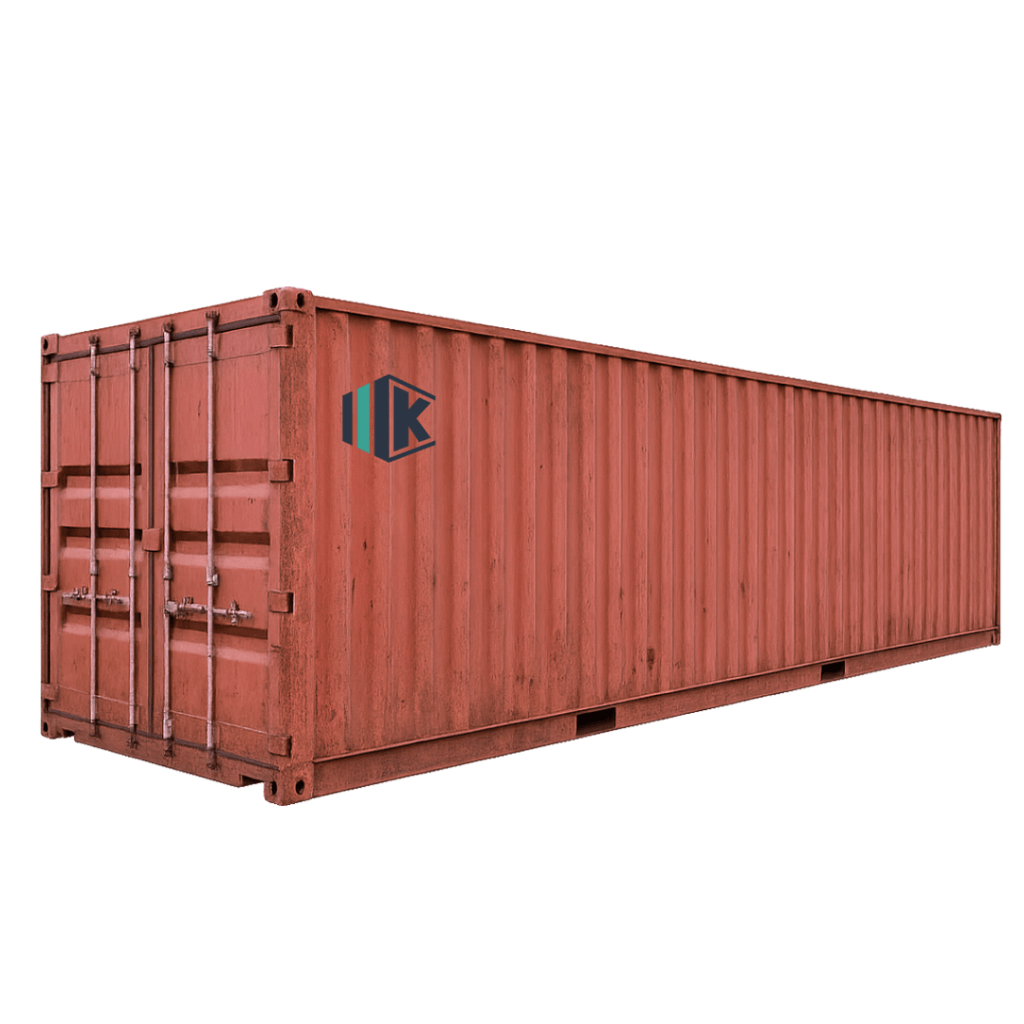
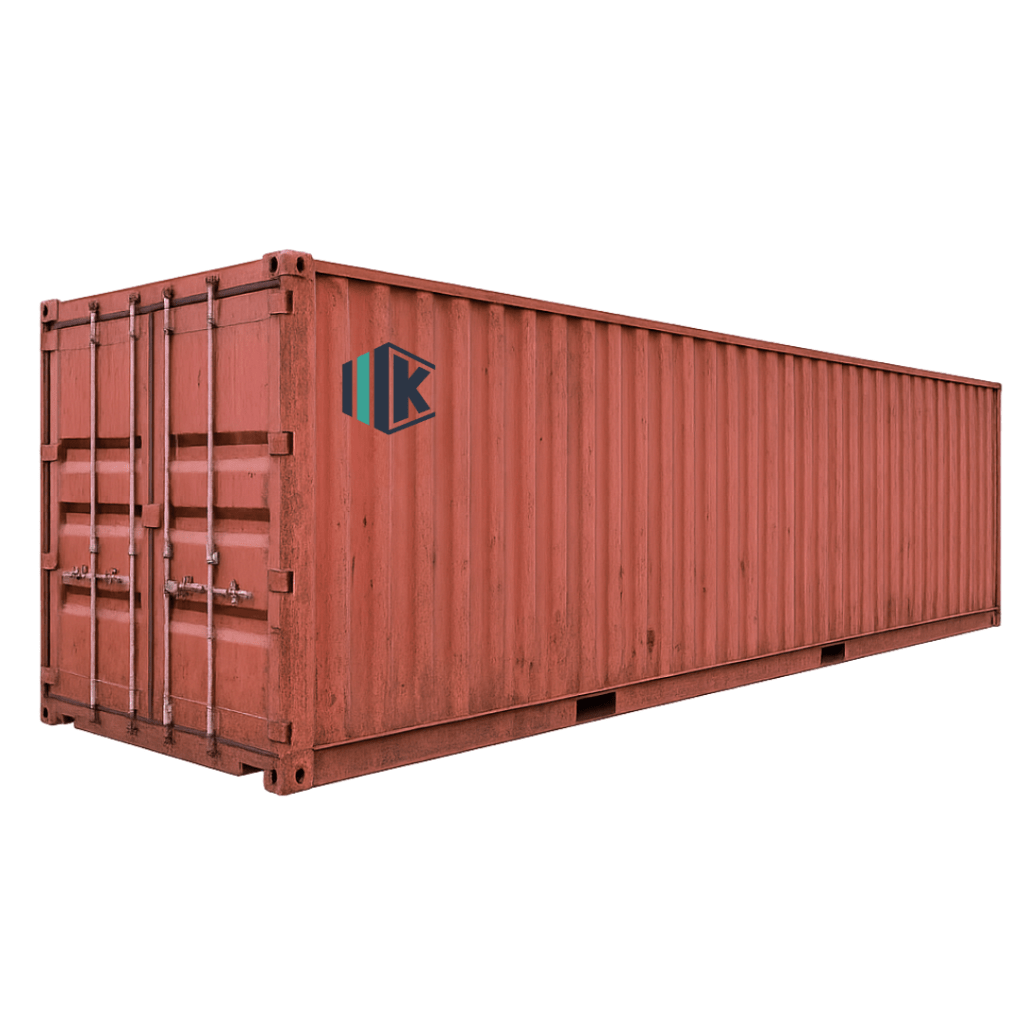
A 40ft used standard container takes long material without bending it.
- T-posts, wood posts, and corner braces
- High-tensile wire, barbed wire, and woven wire
- Insulators, chargers, and grounding rods
- Gates, hardware, and tools
- Poly pipe and irrigation line
Put it all in one locked box and your crew stops hunting for a wire spool.
Seasonal Equipment Storage
Most implements sit idle nine months a year, sitting outside taking weather the whole time. UV, rain, and rust do real damage to anything with a hose, a seal, or a wire.
A container will not hold a combine. It will hold everything around it.
- Augers, seeders, and hand equipment
- Sprayer components, nozzles, and tanks
- Irrigation pipe, fittings, and pumps
- ATV and UTV attachments
- Snow equipment in summer, tillage parts in winter
- Greenhouse supplies and row cover
Rotating gear by season is the whole point. Winter equipment goes in come spring, and planting gear comes out.
Produce and Post-Harvest Storage
Be careful here, because this is where farms get burned.
We sell standard steel containers. They are not refrigerated. A sealed steel box in the sun runs hotter than the air outside. That is wrong for anything fresh.
A container works well for:
- Cured crops in cool weather, including potatoes, onions, winter squash, pumpkins, and garlic
- Packing supplies, crates, bins, totes, and boxes
- Clean dry storage for washed and packed goods waiting on pickup
- A secure, shaded staging point at the field edge
A container is wrong for:
- Fresh produce that needs a cold chain
- Anything with a temperature hold you have to prove to a buyer
- Long summer storage of perishables
If you need real cold storage, you need a refrigerated unit or a cooler room. We would rather tell you that now than sell you the wrong box.